Case overview
Rader murdered 10 people in the Wichita area and mailed taunting communications to news outlets and police before going silent for years.
When he resumed contact, metadata from a floppy disk helped identify him. He pleaded guilty in 2005 and received 10 consecutive life sentences.
Investigation and evidence
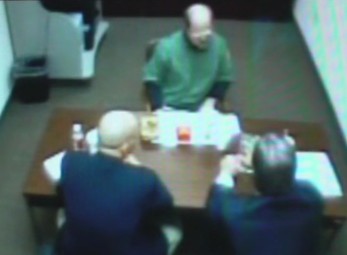
Rader’s renewed communications supplied the decisive trail. A deleted file on a disk contained identifying metadata, while church and employment records narrowed investigators’ focus. Authorities used a familial DNA comparison, surveillance, and search warrants; the FBI reports that a search found victim-related keepsakes and prepared equipment. Rader then confessed and described each charged crime in court.
Legal outcome
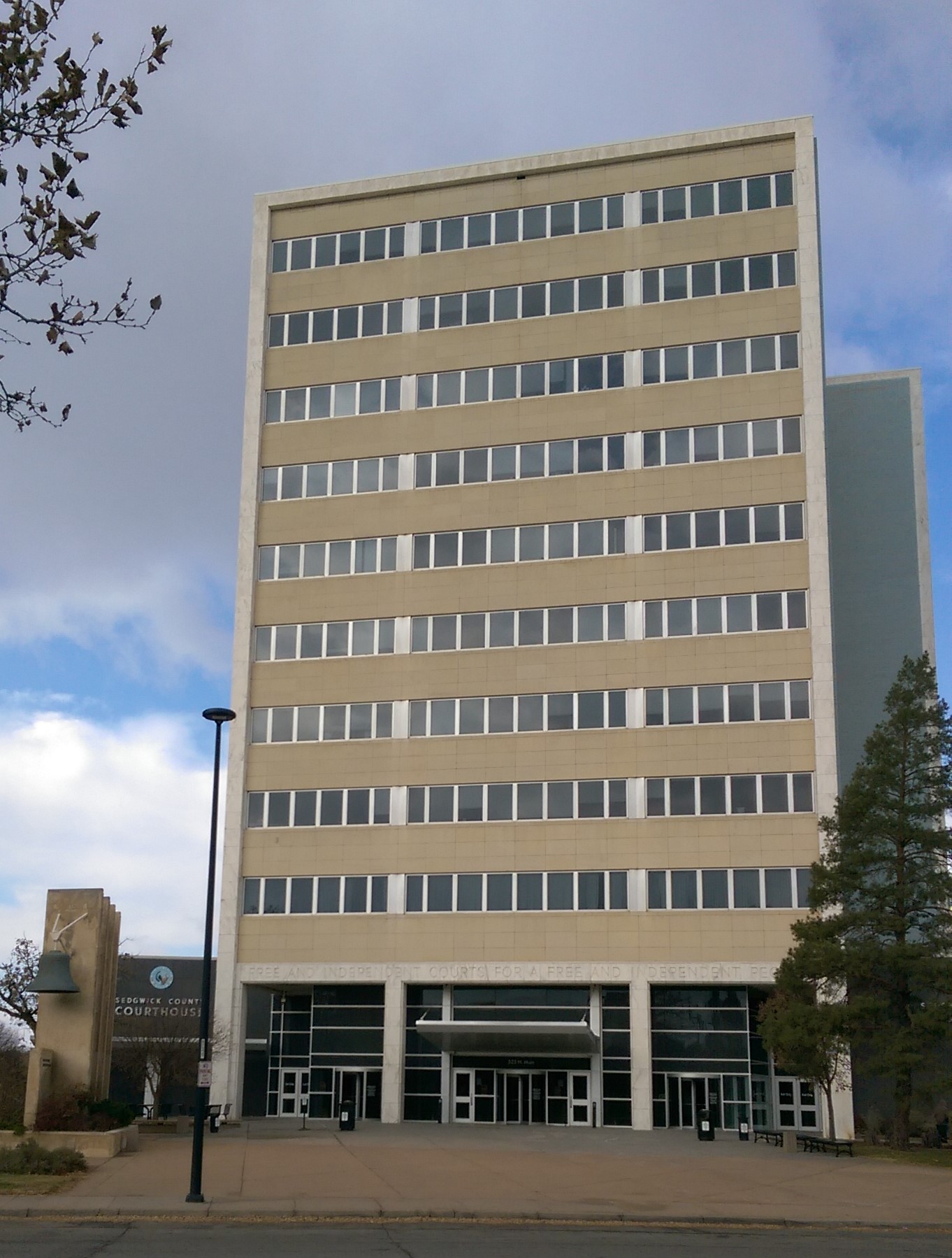
Rader pleaded guilty on June 27, 2005, to ten counts of first-degree murder. On August 18 he received ten consecutive life sentences, requiring at least 175 years before parole eligibility. Kansas could not seek death sentences because the crimes preceded reinstatement of its death penalty.
Victims and community context
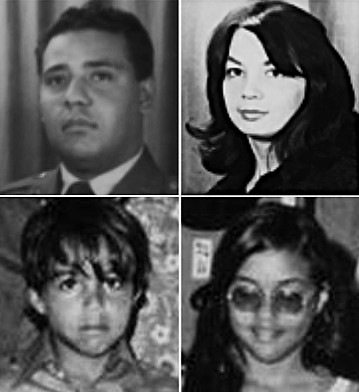
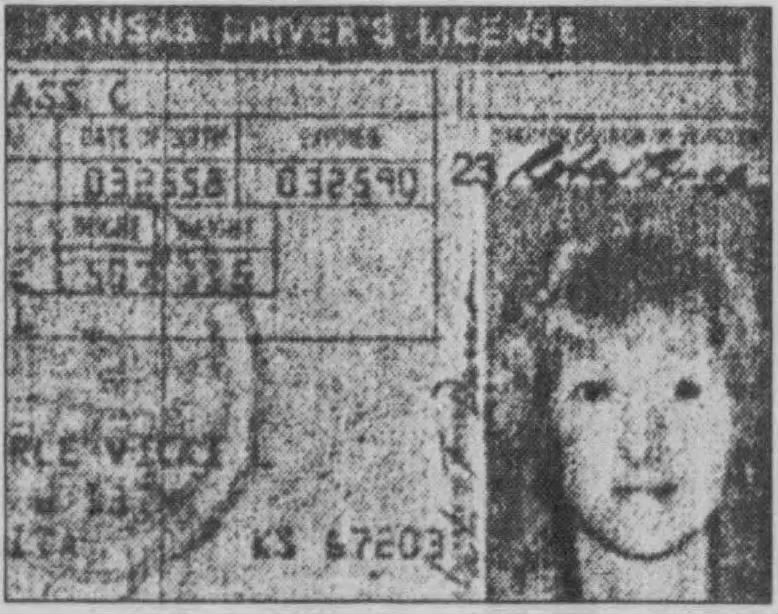
The ten victims were Joseph, Julie, Josephine, and Joseph Otero Jr.; Kathryn Bright; Shirley Vian; Nancy Fox; Marine Hedge; Vicki Wegerle; and Dolores Davis. They ranged from children to older adults and were members of families and neighborhoods that lived with uncertainty for decades.
Why this case matters
The investigation is a high-profile example of digital metadata linking an anonymous communicator to a real identity.