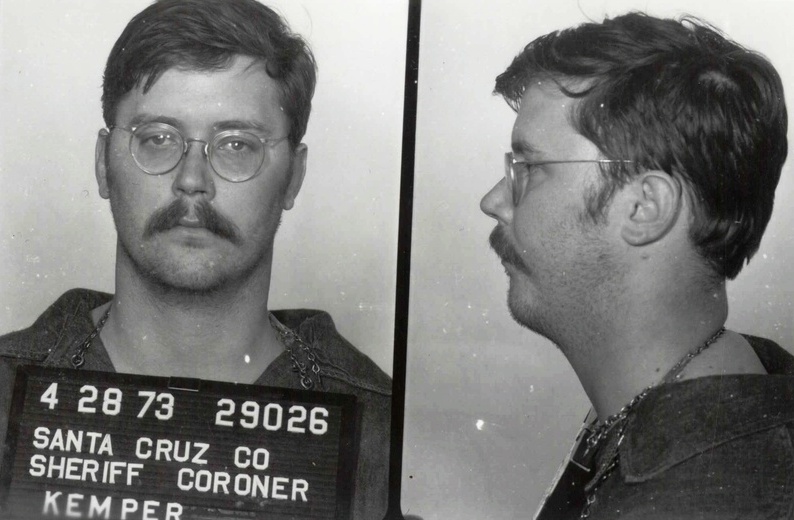

Case overview
Kemper killed his grandparents as a teenager, was released from a state hospital, and later murdered six young women, his mother, and her friend.
After killing his mother, he called police and surrendered. He was convicted in 1973 and sentenced to life imprisonment.
Investigation and evidence
Kemper's surrender and detailed statements gave investigators direct knowledge of the cases, but the record also exposed prior risk-management failures. He had been released after killing his grandparents, and the sealing of his juvenile record meant authorities processing later matters did not always see that history. At trial, multiple psychiatrists addressed whether he was legally sane; the jury concluded he was criminally responsible.
Legal outcome
Kemper was convicted in November 1973 of eight first-degree murders. California's death penalty was unavailable because the state Supreme Court had invalidated it the previous year, so the court imposed concurrent life sentences. He has remained in California state custody and has repeatedly waived or been denied parole.
Victims and community context
The victims included six young women in and around Santa Cruz, his mother, her friend, and—years earlier—his grandparents. Several women were students using hitchhiking as ordinary transportation at the time. Responsible framing should resist allowing Kemper's unusually extensive media interviews to eclipse the people he killed or to turn his self-analysis into authoritative psychology.
Why this case matters
His interviews are often treated as definitive explanations; they remain offender statements requiring corroboration.