Case overview
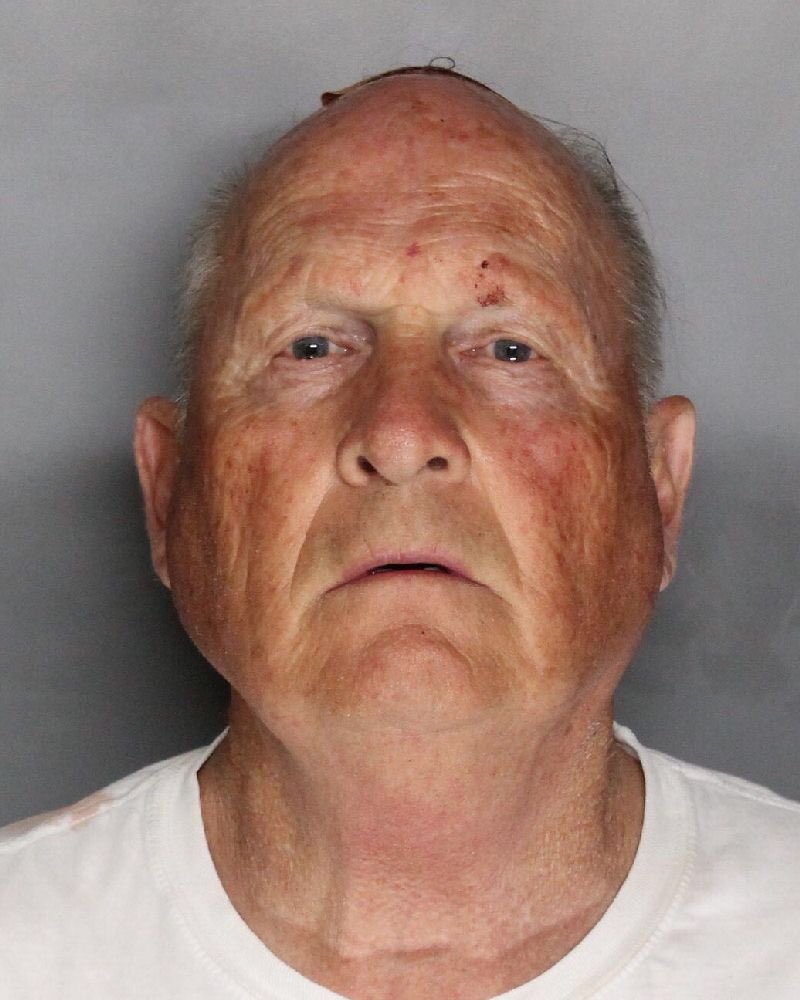
A former California police officer identified through investigative genetic genealogy after crimes across multiple jurisdictions had carried separate names for decades. His 2020 plea resolved 13 murders and acknowledged many time-barred offenses.
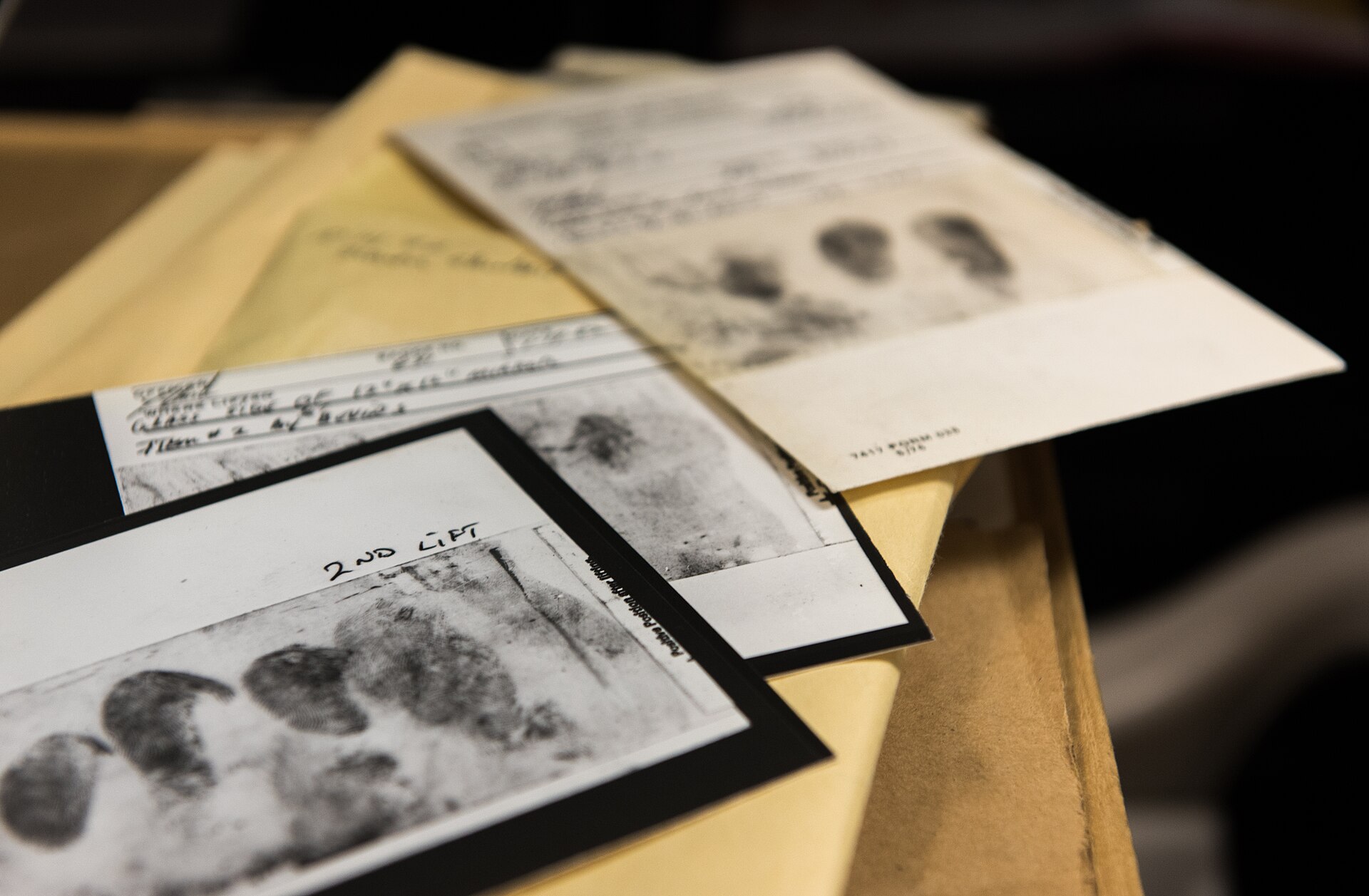
Cold-case teams preserved and compared biological evidence across counties. Investigators uploaded a permitted forensic profile to a genealogy database, built family trees from distant matches, and narrowed candidates by age, location, and history. Surreptitiously collected discarded DNA then confirmed DeAngelo before arrest. The method became a landmark in both cold-case practice and genetic-privacy debate.
Investigation and evidence
Cold-case teams preserved and compared biological evidence across counties. Investigators uploaded a permitted forensic profile to a genealogy database, built family trees from distant matches, and narrowed candidates by age, location, and history. Surreptitiously collected discarded DNA then confirmed DeAngelo before arrest. The method became a landmark in both cold-case practice and genetic-privacy debate.
Legal outcome
Under a multi-county agreement that avoided a death-penalty trial, DeAngelo pleaded guilty to 13 first-degree murders and 13 kidnappings to commit robbery. He also admitted numerous uncharged rapes and other crimes for which statutes of limitation had expired. In August 2020 he received consecutive life terms without parole.
Victims and community context
The crimes affected couples, families, and communities across California, and survivors spent decades advocating for recognition and answers. Four days of victim-impact statements preceded sentencing. Coverage should foreground that testimony and avoid treating the genealogy technique as more important than the people whose preserved evidence made identification possible.
Why this case matters
The crimes affected couples, families, and communities across California, and survivors spent decades advocating for recognition and answers. Four days of victim-impact statements preceded sentencing. Coverage should foreground that testimony and avoid treating the genealogy technique as more important than the people whose preserved evidence made identification possible.