Case overview
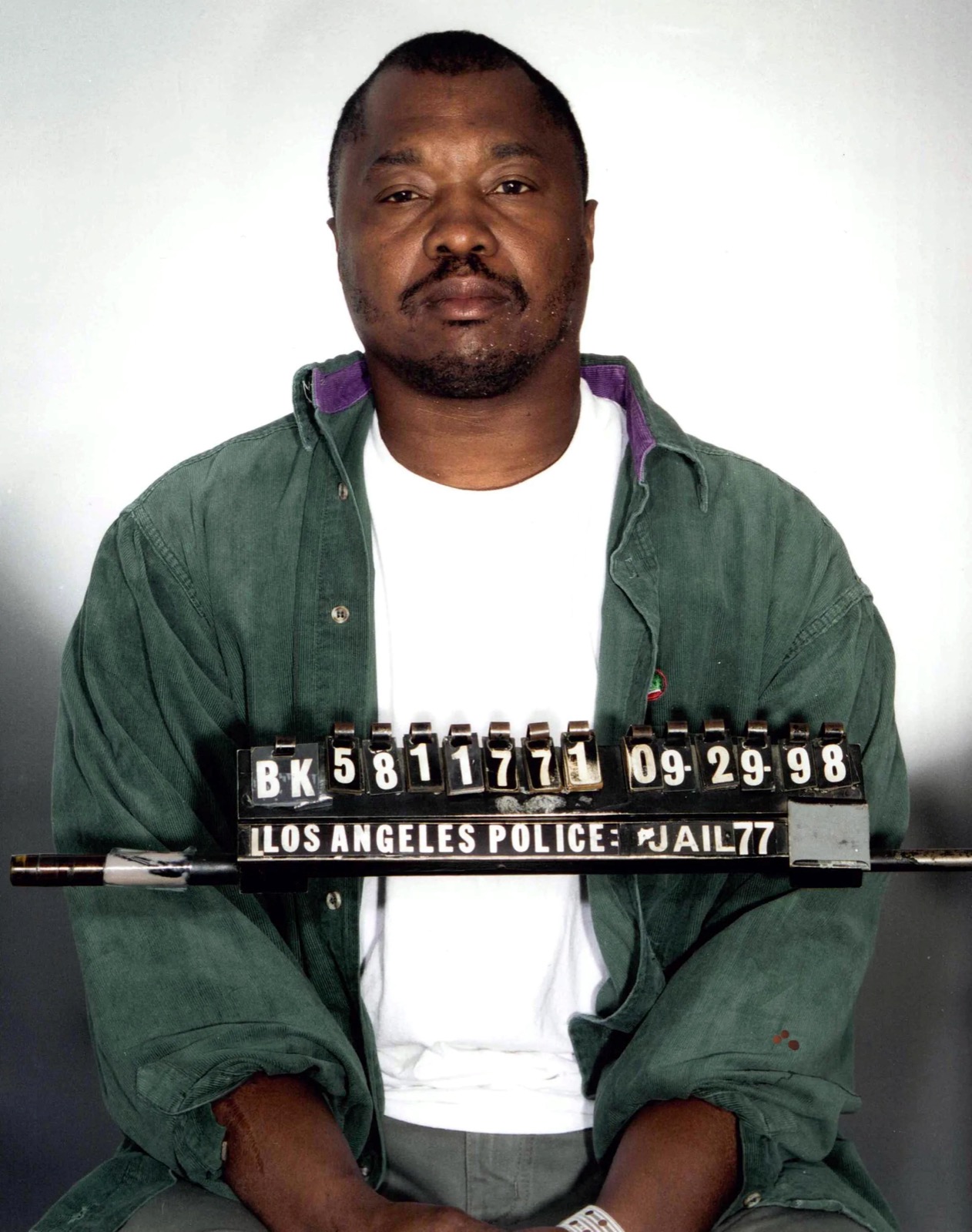
A Los Angeles man convicted of murdering nine women and one teenage girl over two decades. The investigation highlighted unequal attention to Black women, people facing addiction, and sex workers reported missing in South Los Angeles.
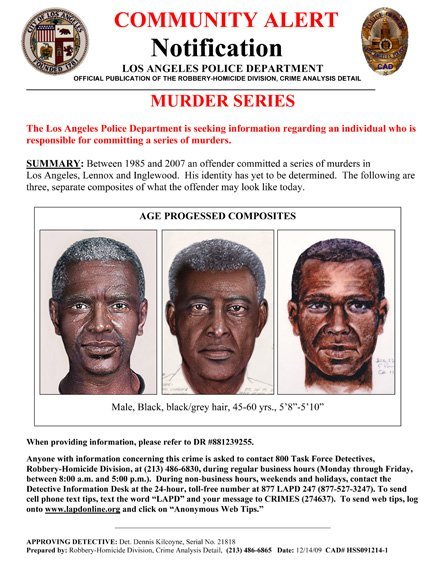
Ballistics linked several cases, but the investigation remained fragmented for years. California’s familial-DNA program identified a close relative in the offender database; undercover officers then collected discarded material from Franklin and confirmed his profile against crime-scene DNA. A search produced photographs of many women, generating further review but not additional convictions.
Investigation and evidence
Ballistics linked several cases, but the investigation remained fragmented for years. California’s familial-DNA program identified a close relative in the offender database; undercover officers then collected discarded material from Franklin and confirmed his profile against crime-scene DNA. A search produced photographs of many women, generating further review but not additional convictions.
Legal outcome
In 2016, a Los Angeles jury convicted Franklin of ten first-degree murders and the attempted murder of Enietra Washington. He was sentenced to death. Franklin died of natural causes at San Quentin in 2020 while his appeal was pending.
Victims and community context
The convicted victims were Black women and one teenage girl, many living amid poverty, addiction, or sex work. Families and activists criticized the limited publicity and urgency their disappearances received. Washington’s survival was essential to the case, and her account should not be reduced to evidence alone.
Why this case matters
The convicted victims were Black women and one teenage girl, many living amid poverty, addiction, or sex work. Families and activists criticized the limited publicity and urgency their disappearances received. Washington’s survival was essential to the case, and her account should not be reduced to evidence alone.