Thirty research dossiers compare chronology, evidence, legal outcomes, victim context, institutional response, and disputed attribution. Labels distinguish convictions from confessions, suspected cases, and later official findings.
A Cleveland man convicted of murdering 11 women after a survivor’s report led police to search his Imperial Avenue home. The case prompted scrutiny of responses to missing women and reports by survivors in marginalized communities.
2 sourced images · 2 archival reports
Status
Died in prison
Documented count
11 aggravated-murder convictions; 3 additional women survived charged attacks
A Houston-area offender whose killings of teenage boys and young men became known only after an accomplice killed him and contacted police. Later identification work has revised the known-victim count.
2 sourced images · 3 archival reports
Status
Killed before prosecution
Documented count
At least 28 known victims; historical official counts have varied
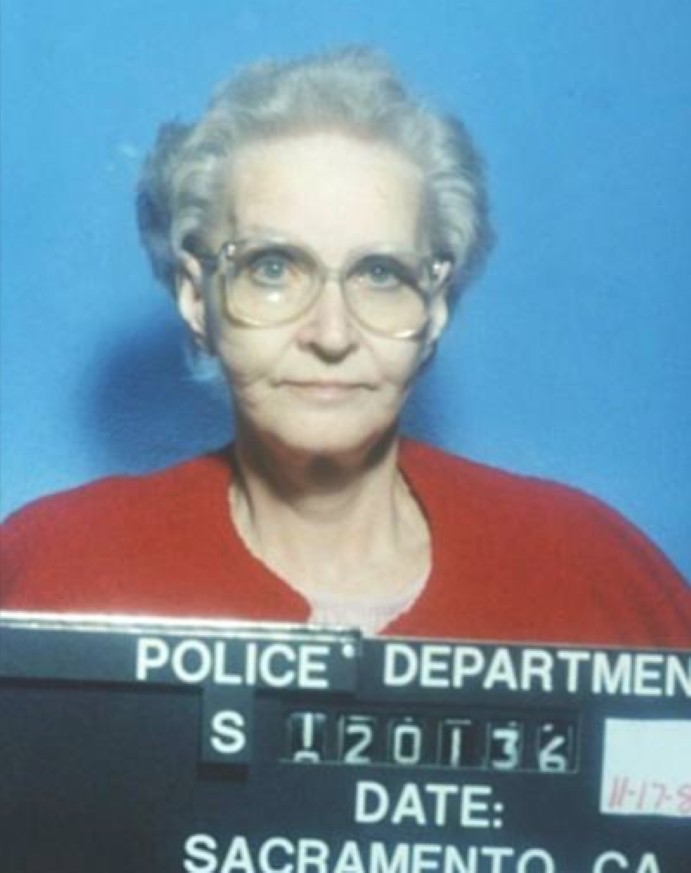
A Sacramento boarding-house operator convicted of murdering vulnerable tenants while taking control of their benefit payments. The case exposed how isolation, disability, and poverty can make missing adults easier for institutions to overlook.
2 sourced images · 2 archival reports
Status
Died in prison
Documented count
3 convictions; 9 deaths investigated in connection with her properties
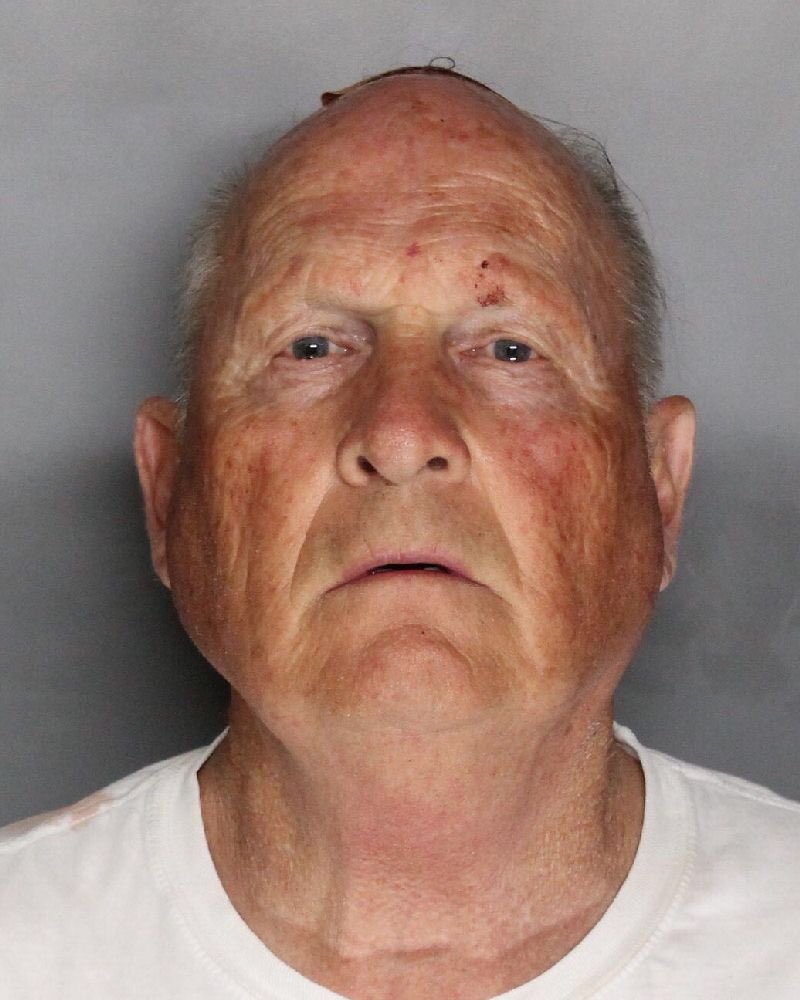
A former California police officer identified through investigative genetic genealogy after crimes across multiple jurisdictions had carried separate names for decades. His 2020 plea resolved 13 murders and acknowledged many time-barred offenses.
A farm-labor contractor twice convicted of murdering 25 migrant workers found in orchards near Yuba City, California. The victims’ precarious employment and mobility contributed to weak identification and missing-person records.
A Mexico City woman convicted of murdering older women after gaining entry to their homes, sometimes by posing as a social-assistance worker. The investigation became a major examination of crimes against older adults and early investigative assumptions about offender identity.
A Los Angeles man convicted of murdering nine women and one teenage girl over two decades. The investigation highlighted unequal attention to Black women, people facing addiction, and sex workers reported missing in South Los Angeles.
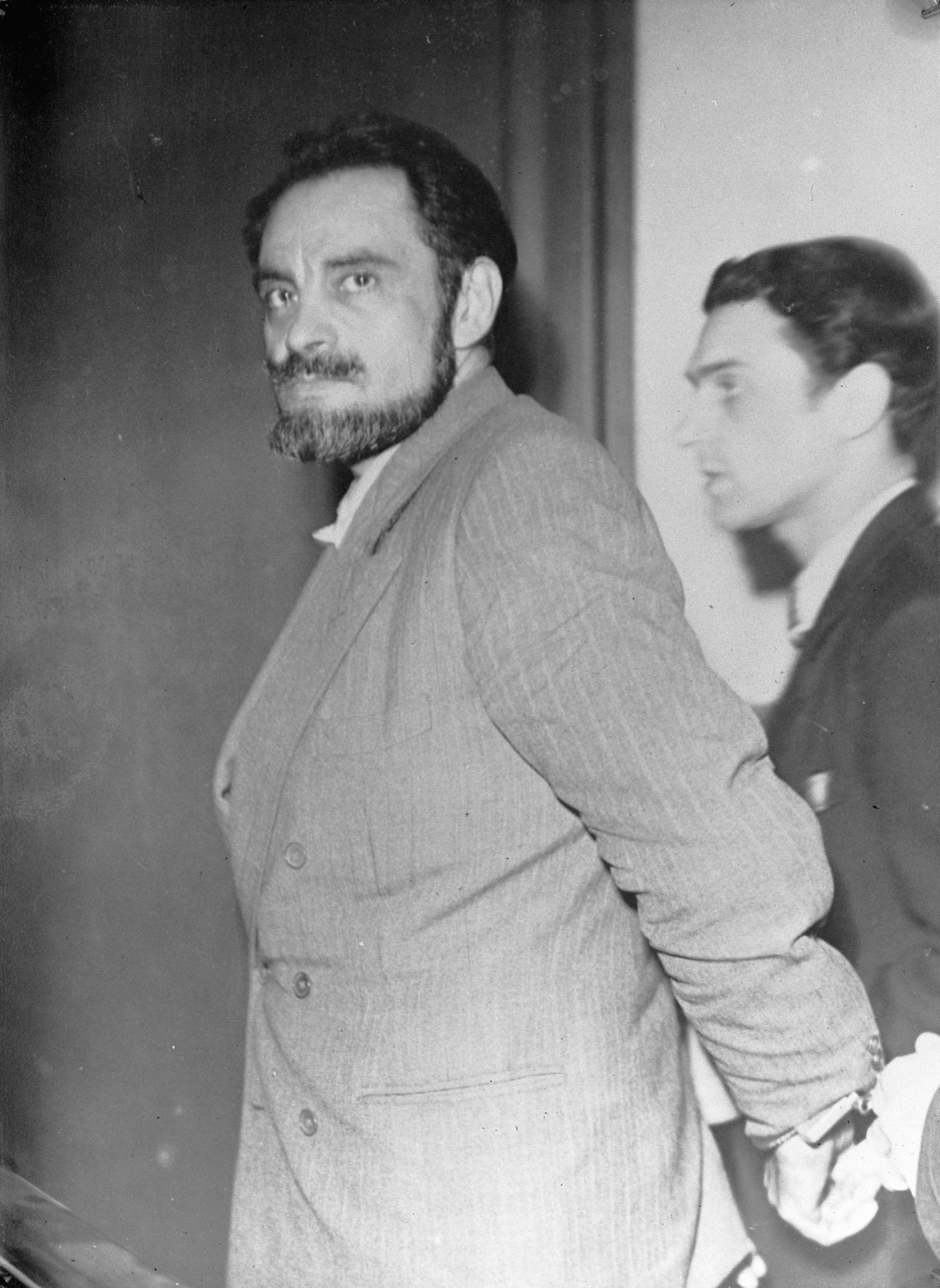
A Paris physician who offered clandestine escape from German-occupied France, then killed people seeking safety and stole their property. His crimes exploited persecution, wartime secrecy, and victims’ need to disappear without official records.
An Alabama-born woman whose 1954 arrest followed an arsenic finding in her fifth husband’s autopsy. Her confession crossed several states and included relatives as well as spouses, but only one murder produced a conviction.
2 sourced images · 2 archival reports
Status
Died in prison
Documented count
1 conviction; 8 confessed killings; as many as 11 attributed deaths
An Atlanta man convicted of murdering two adults during the investigation of 29 killings of Black children, teenagers, and young adults. His legal guilt in two cases and the broader administrative attribution must remain distinct.
2 sourced images · 2 archival reports
Status
Serving life imprisonment
Documented count
2 murder convictions; law enforcement administratively linked 20 additional deaths
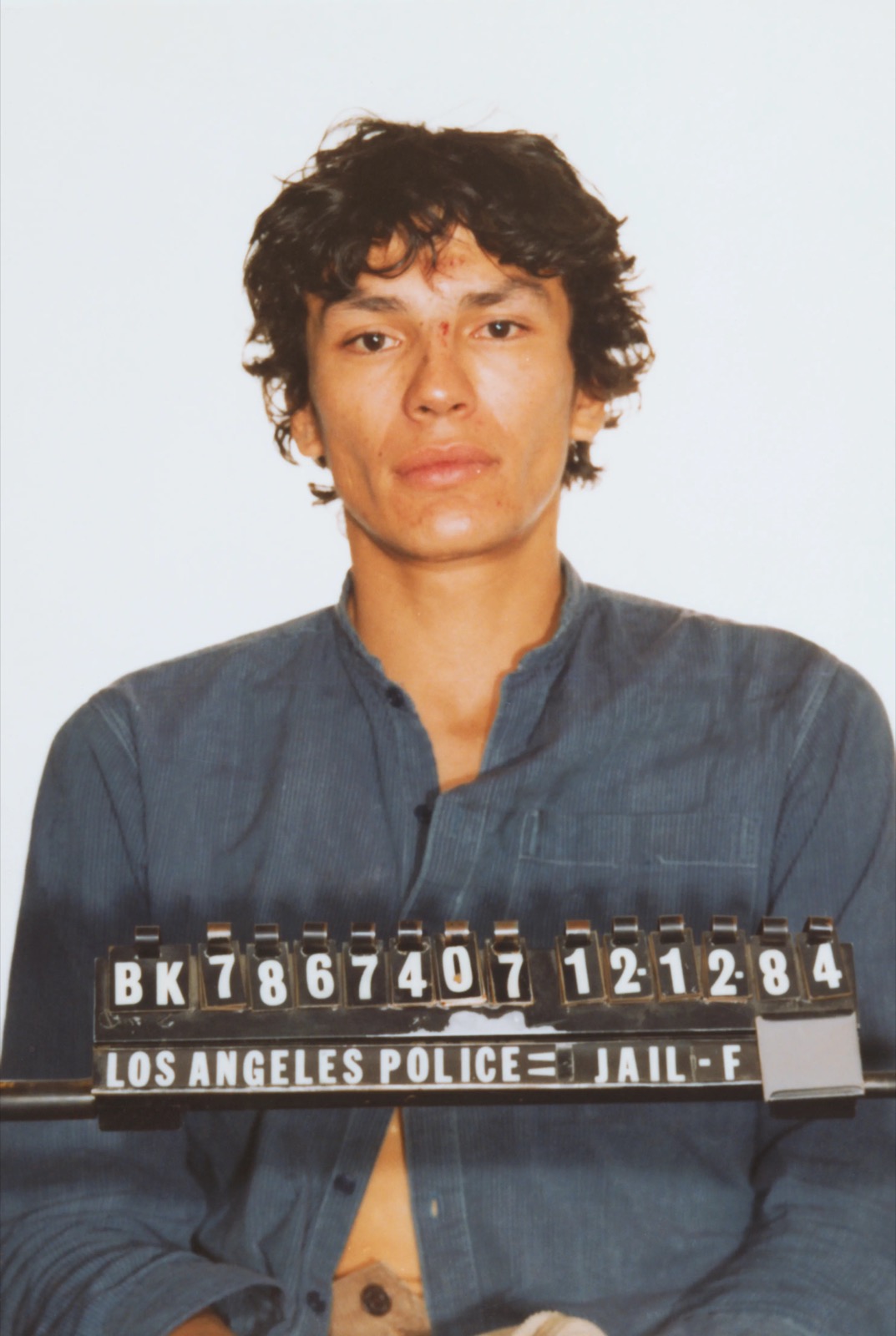
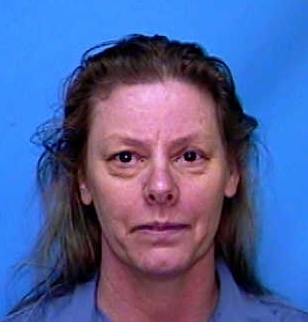 Corrections identification photograph