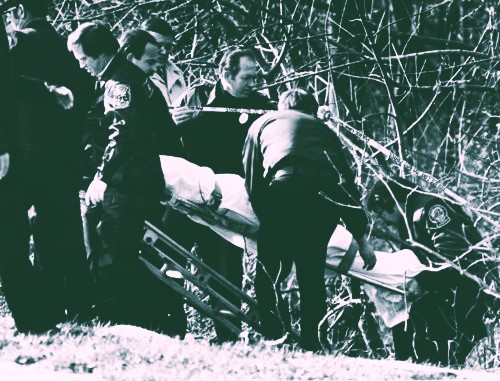

Case overview
An Atlanta man convicted of murdering two adults during the investigation of 29 killings of Black children, teenagers, and young adults. His legal guilt in two cases and the broader administrative attribution must remain distinct.
A multiagency task force compared disappearances, recovery sites, witnesses, hairs, textile fibers, and dog hairs. Bridge surveillance supplied the encounter that focused attention on Williams. At trial, prosecutors presented fiber comparisons tying environments associated with Williams to multiple victims, along with witness testimony. Modern reviews have revisited evidence and tested DNA without producing a new prosecution.
Investigation and evidence
A multiagency task force compared disappearances, recovery sites, witnesses, hairs, textile fibers, and dog hairs. Bridge surveillance supplied the encounter that focused attention on Williams. At trial, prosecutors presented fiber comparisons tying environments associated with Williams to multiple victims, along with witness testimony. Modern reviews have revisited evidence and tested DNA without producing a new prosecution.
Legal outcome
Williams was convicted only of murdering Nathaniel Cater and Jimmy Ray Payne and received two consecutive life sentences. Atlanta authorities closed many child-murder files after the trial based on an administrative assessment rather than separate convictions.
Victims and community context
The recognized series involved approximately 29 Black children, teenagers, and young adults. Families organized searches and challenged official responses while living amid intense fear and racial tension. Each person should be named in dedicated victim material, and adult victims should not be erased by the common case title.
Why this case matters
The recognized series involved approximately 29 Black children, teenagers, and young adults. Families organized searches and challenged official responses while living amid intense fear and racial tension. Each person should be named in dedicated victim material, and adult victims should not be erased by the common case title.