



Case overview
Dahmer murdered 17 males between 1978 and 1991, most in Milwaukee. Many victims were young men of color, and encounters with authorities failed to interrupt his crimes.
A prospective victim escaped and led police to his apartment in 1991. Dahmer received multiple life sentences and was killed by another prisoner in 1994.
Investigation and evidence
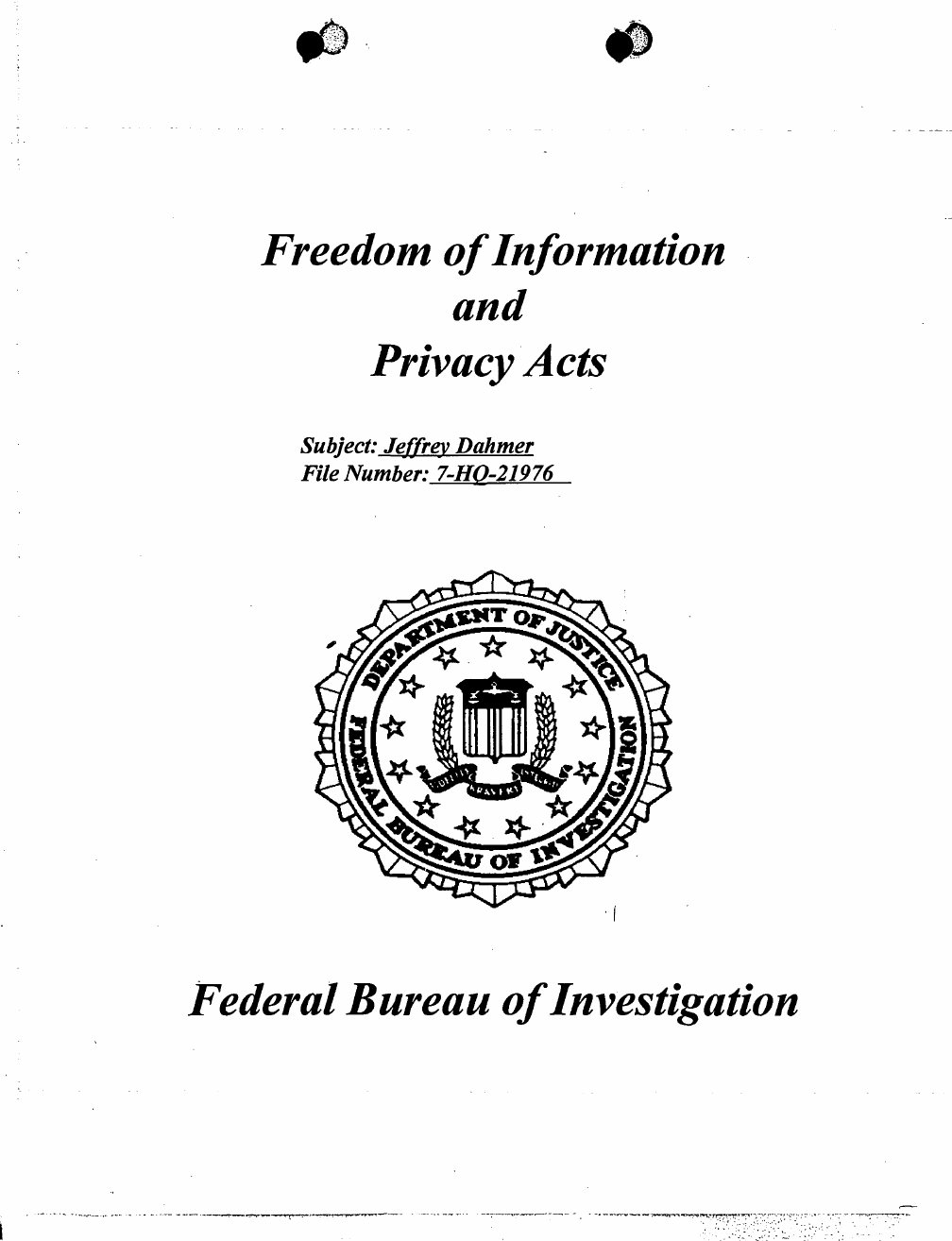
The decisive break came from survivor Tracy Edwards. Officers found photographs that documented victims and then recovered extensive physical evidence from the apartment. Identification required dental, medical, and other forensic work; Dahmer’s detailed confessions were checked against missing-person reports and evidence. FBI records show federal assistance with identification and interstate aspects rather than a single federal prosecution.
Legal outcome
A Wisconsin jury rejected Dahmer’s insanity defense while finding him responsible for 15 murders tried there; he received 15 consecutive life terms. He later received another life sentence in Ohio for Steven Hicks’s murder. He died in custody before serving more than a few years of those sentences.
Victims and community context
Many victims were young men and boys of color, including members of Milwaukee’s Black, Asian, and gay communities. Families and residents argued that racism, homophobia, and institutional indifference contributed to missed opportunities to intervene. Coverage should identify victims as people with lives and relationships, not merely as entries in Dahmer’s confession.
Why this case matters
Responsible coverage centers the victims and institutional failures rather than the perpetrator’s notoriety.