




Case overview
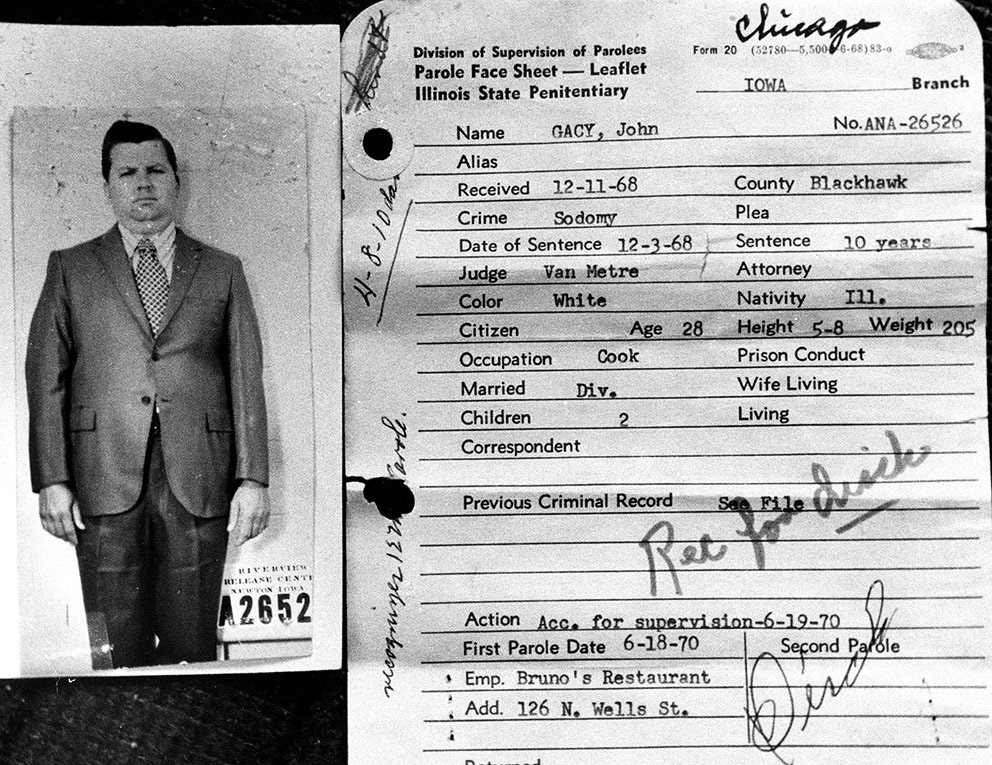
Gacy sexually assaulted and murdered young men and boys, burying most beneath his suburban Chicago home. His community standing delayed scrutiny.
Surveillance after Robert Piest disappeared led investigators to search Gacy’s property. He was convicted in 1980 and executed in 1994.
Investigation and evidence
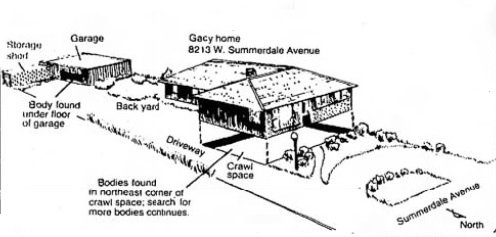
Robert Piest’s disappearance produced the lead that broke the case. Detectives traced his last known meeting to Gacy, searched the house, interviewed prior employees and complainants, and recovered property belonging to missing young people. A second warrant and extensive forensic excavation revealed remains beneath the house; additional victims had been left elsewhere. Dental records and later DNA testing became central to identification.
Legal outcome
An Illinois jury rejected the defense’s insanity claim and convicted Gacy of 33 murders. Because Illinois’s death-penalty statute applied only to some of the crimes, he received death sentences on eligible counts and life terms on others. He was executed on May 10, 1994.
Victims and community context
Most victims were teenage boys and young men, some living in unstable circumstances or seeking temporary work. Several remained unidentified for decades, leaving families without answers. Cook County’s later DNA-based identification work demonstrates why the story remains partly about restoring names—not simply recounting a record-setting conviction.
Why this case matters
Identification work continues for victims whose names were lost, underscoring the human responsibility of every case file.