Case overview
Human remains were discovered on Gunness’s La Porte property after a 1908 fire. Many victims were men contacted through matrimonial advertisements.
A headless female body was attributed to Gunness, but questions about its identity fueled claims that she escaped. Her fate remains disputed.
Investigation and evidence
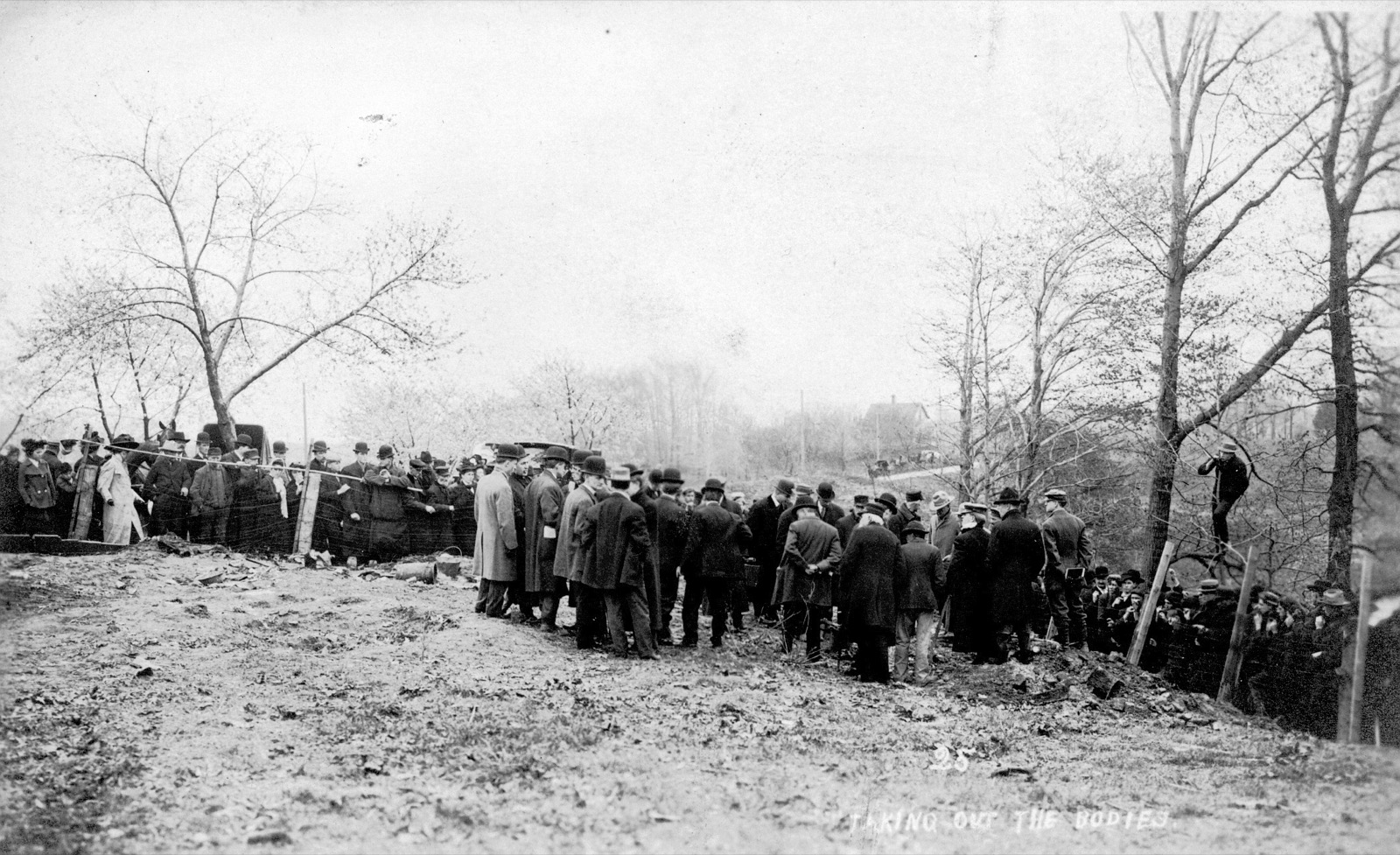
After the fire, relatives of missing suitors arrived in La Porte, and a former farmhand pointed investigators toward disturbed ground on the property. Excavations uncovered multiple victims and possessions associated with men who had answered Gunness's advertisements. Identification relied on relatives, personal effects, dental observations, and coroner proceedings—methods far less definitive than modern DNA analysis.
Legal outcome
Gunness was never tried: authorities generally concluded that she died in the fire, though the identity of the adult female body remained controversial. Former farmhand Ray Lamphere was tried in November 1908. A jury acquitted him of murder and convicted him of arson; he later died in prison.
Victims and community context
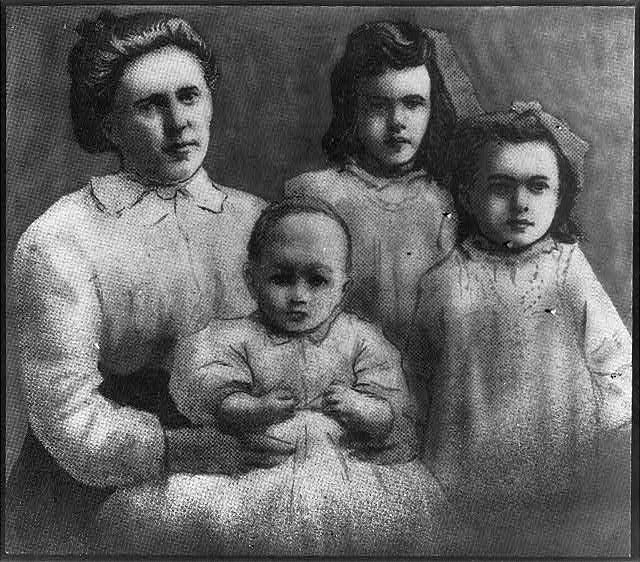
The identified and suspected victims included immigrant men seeking marriage, farm workers, members of Gunness's households, and three children who died in the fire. Their stories were shaped by migration, newspaper matchmaking, and relatives who traveled to Indiana seeking missing family members. The children should not be treated merely as evidence in the mystery over Gunness's fate.
Why this case matters
Uncertainty surrounding her death and victim count requires clear labeling of verified fact, inference, and folklore.