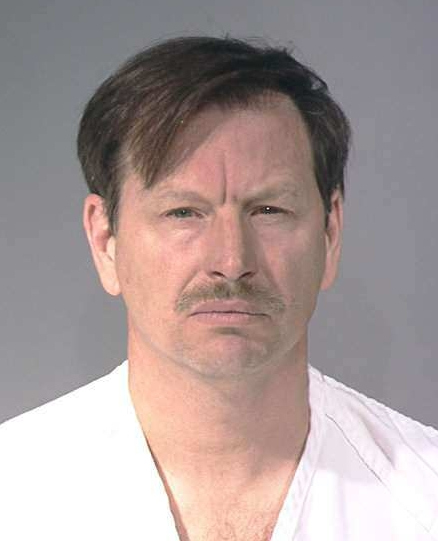
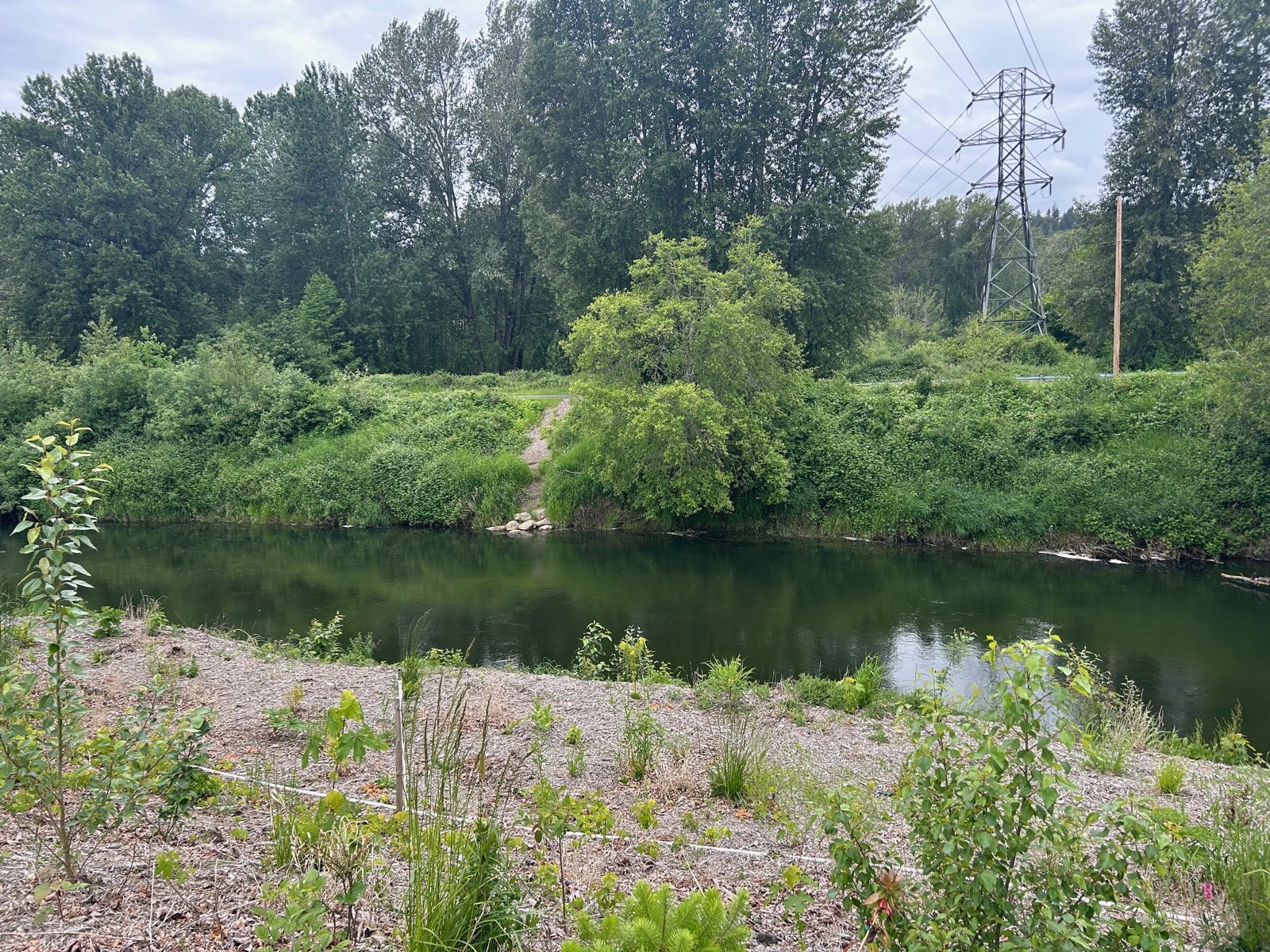
Case overview
Ridgway targeted women and girls, many involved in street-based sex work. A large task force investigated, but the case remained unresolved for years.
DNA advances led to his 2001 arrest. He pleaded guilty to 48 murders to avoid execution and later to a 49th.
Investigation and evidence
The task force collected thousands of tips, interviewed large numbers of people, and pursued Ridgway early without evidence sufficient to charge him. The durable evidentiary breakthrough came when improved DNA testing linked the preserved 1987 saliva sample to material from victims. Under the plea agreement, he underwent extensive interviews and led investigators to recovery sites, although detectives found parts of his recollection inconsistent.
Legal outcome
King County prosecutors agreed not to seek execution in exchange for guilty pleas and truthful disclosure about every killing he committed in the county. In 2003 Ridgway received 48 consecutive life sentences without parole; a 2011 plea for Rebecca Marrero added another life term. He remains imprisoned in Washington.
Victims and community context
The victims were girls and women, many of whom were young, unhoused, engaged in sex work, or otherwise exposed to heightened risk. Those circumstances affected how disappearances were reported and prioritized but did not define their lives. King County's continuing identification work—including the 2024 confirmation of Tammie Liles' remaining unidentified remains—shows that the investigation is also about restoring names and answers to families.
Why this case matters
The case underscores preserved forensic evidence and the cost of treating vulnerable victims as less worthy of attention.