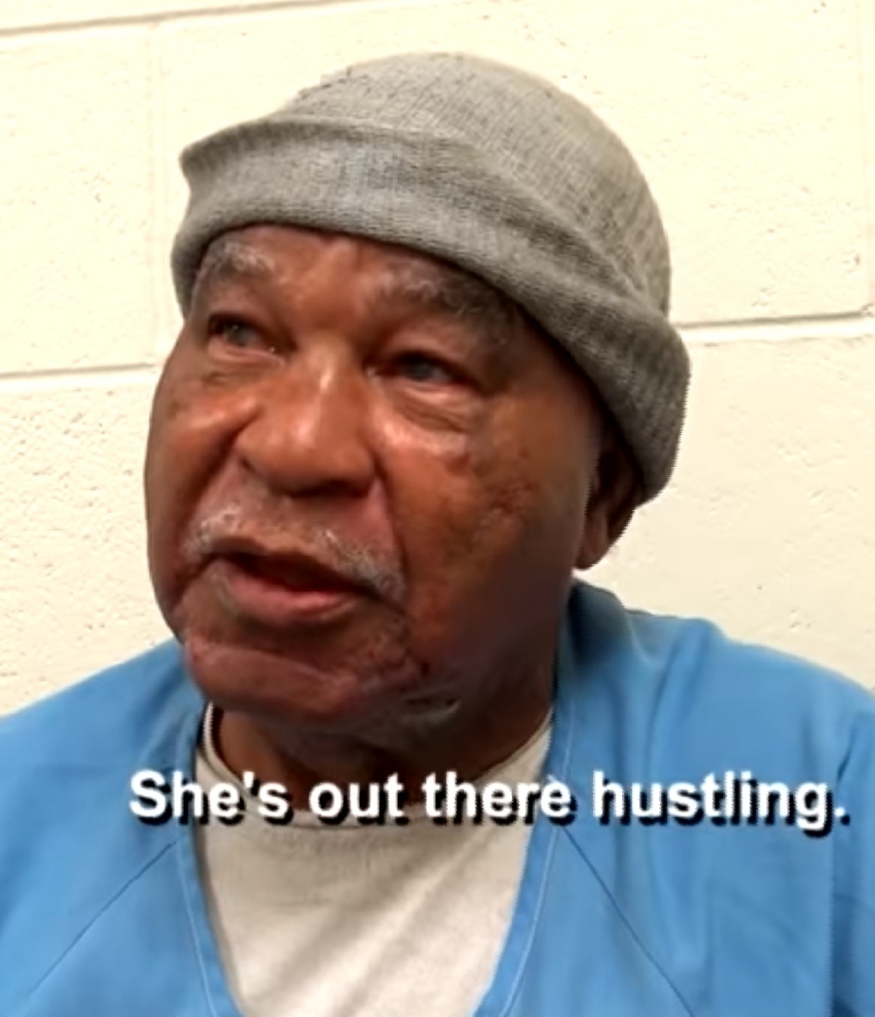
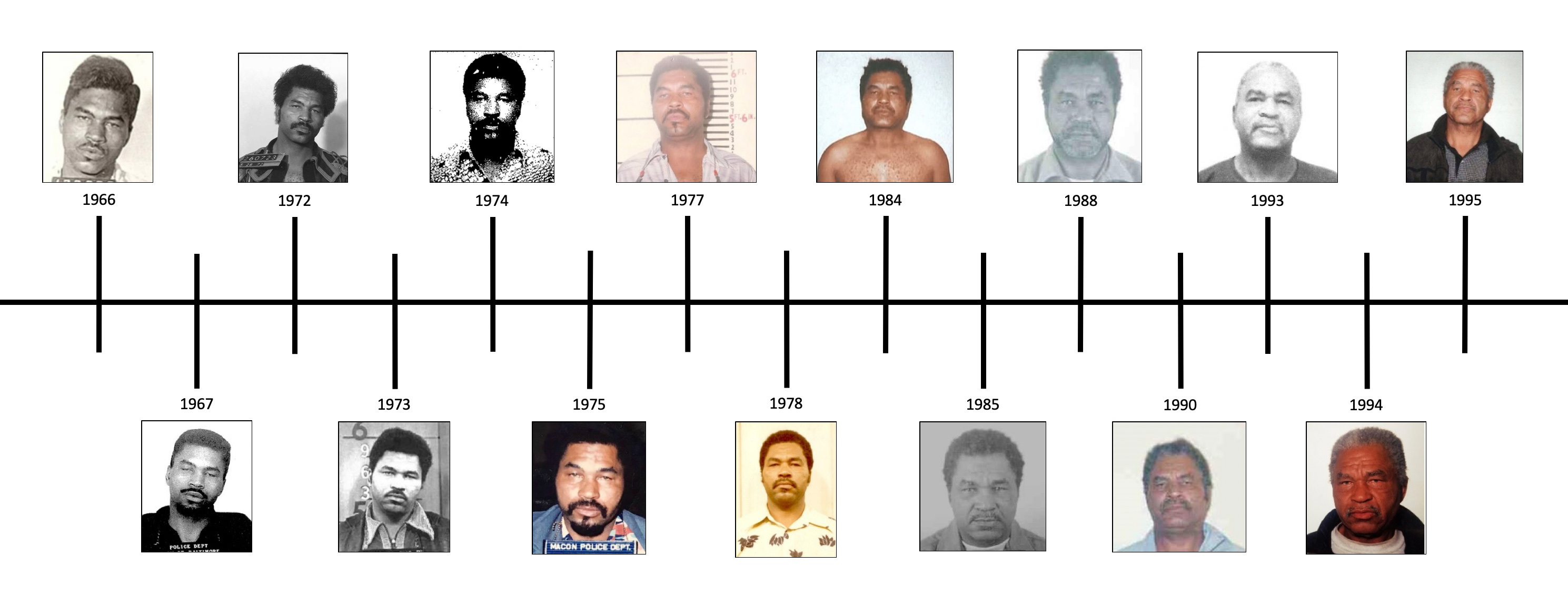
Case overview
Little targeted women across the United States, often people whose deaths were misclassified or received little attention. He was convicted of three murders in 2014.
He later confessed to 93 killings. The FBI found his confessions credible and verified dozens while agencies continued matching cases.
Investigation and evidence
DNA evidence first secured the Los Angeles prosecution. After that conviction, FBI ViCAP analysts compared Little's movements and criminal history against unresolved deaths nationwide. Texas Ranger James Holland's interviews produced location, victim-description, and scene details; agencies then tested those accounts against records and forensic evidence. The FBI published Little's portraits and case descriptions to invite identifications and continues to distinguish corroborated cases from unresolved confessions.
Legal outcome
Little was convicted in California in 2014 of three murders and sentenced to life without parole. He pleaded guilty in Texas in 2018 to Denise Christie Brothers' murder and received another life sentence. He died in California custody on 30 December 2020, while local, state, and federal agencies continued reviewing his confessions.
Victims and community context
Many victims were women whose deaths had been misclassified, incompletely investigated, or overlooked because they were poor, living with addiction, engaged in sex work, or estranged from relatives. The FBI has stressed that solving each case matters independently of Little's existing sentence. The portraits should be framed as investigative aids intended to restore identities—not as offender artwork for entertainment.
Why this case matters
The FBI’s victim portraits and maps sought leads and names for people long reduced to unresolved files.