Case overview
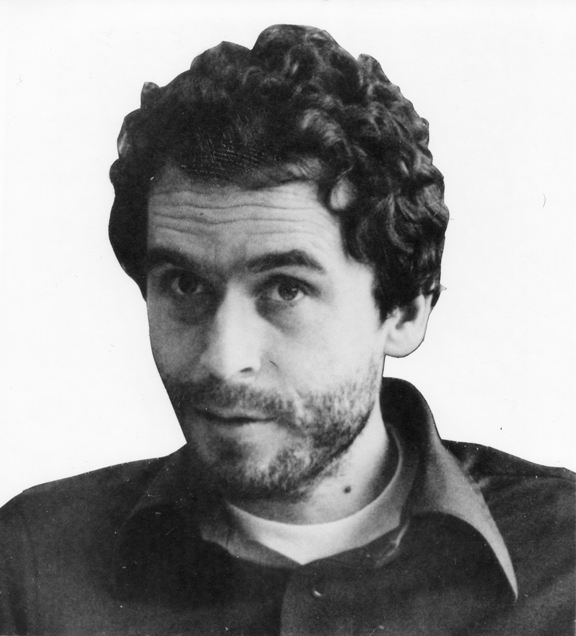
Bundy abducted and murdered young women across several U.S. states during the 1970s, repeatedly exploiting social expectations to approach victims and evade suspicion.
After two escapes from custody, he committed further attacks in Florida. He was convicted there and confessed to 30 murders shortly before his execution.
Investigation and evidence
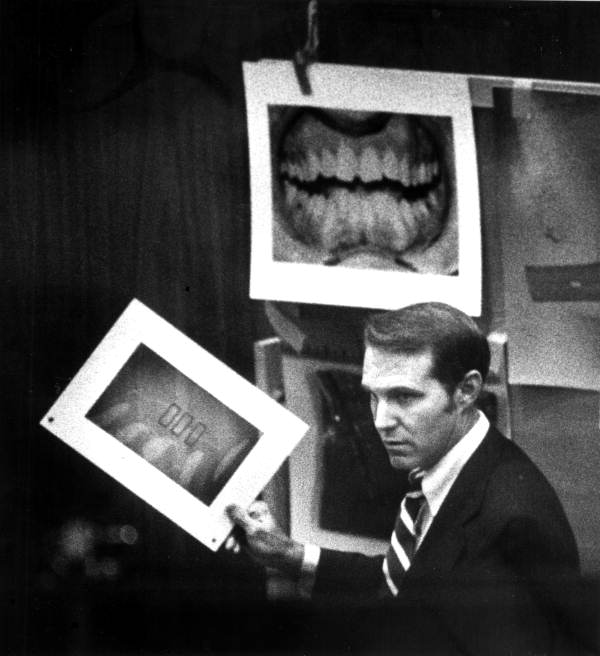
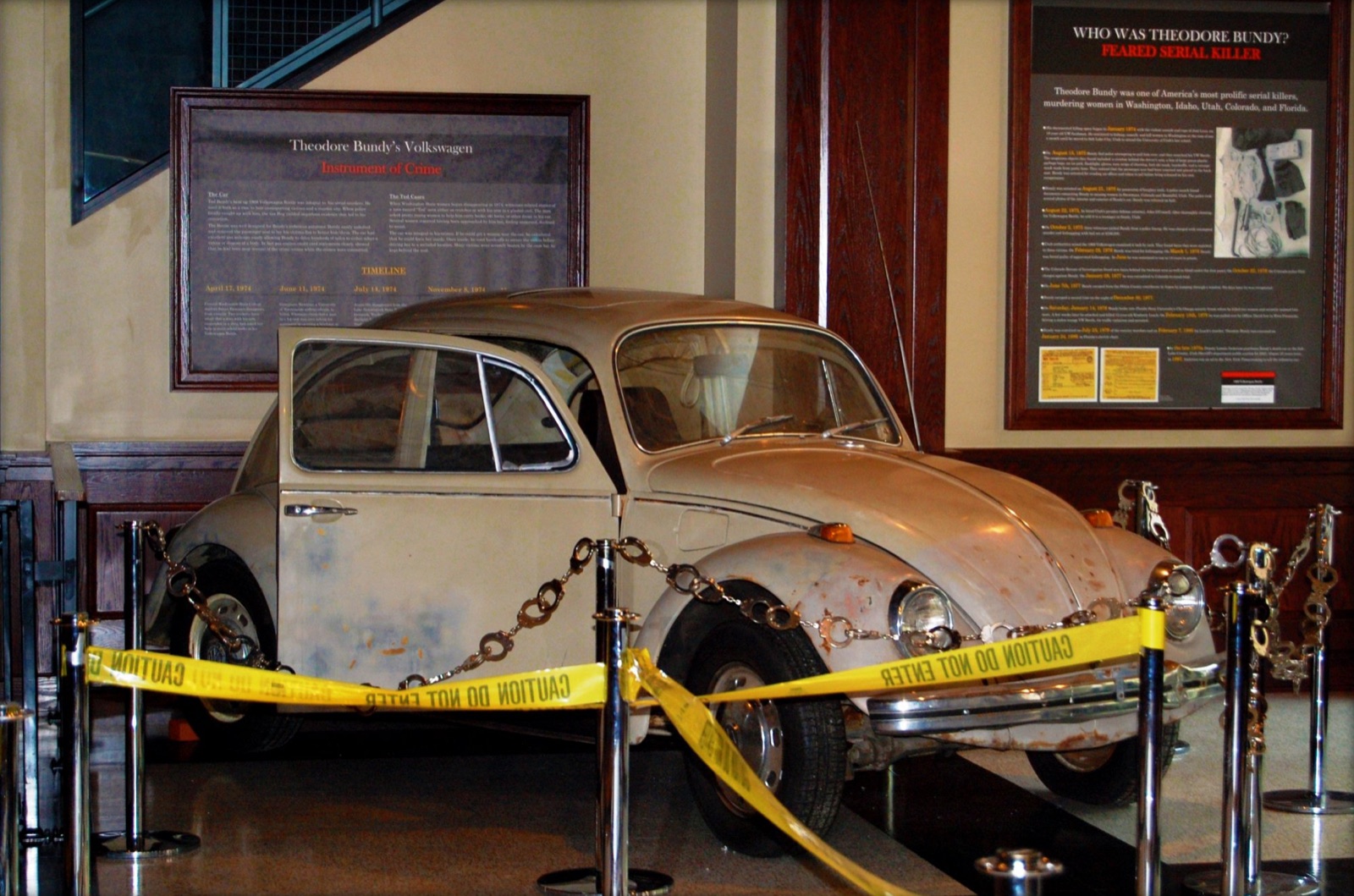
The case developed through cooperation among police in several western states and, after Bundy’s escapes, the FBI. Investigators compared eyewitness accounts, the tan Volkswagen, DaRonch’s identification, travel records, physical evidence, and later Florida crime-scene evidence. Bite-mark comparison was prominently used at the Florida State University trial, although forensic odontology of that kind is now viewed far more cautiously than it was in 1979.
Legal outcome
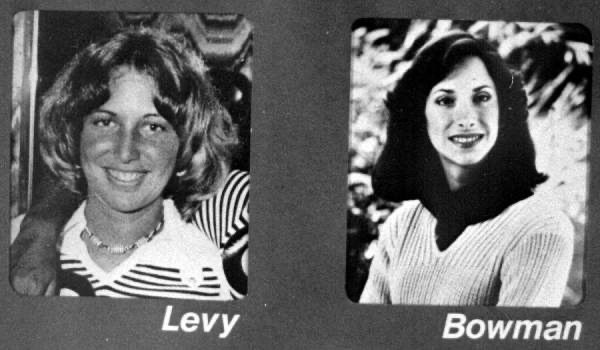
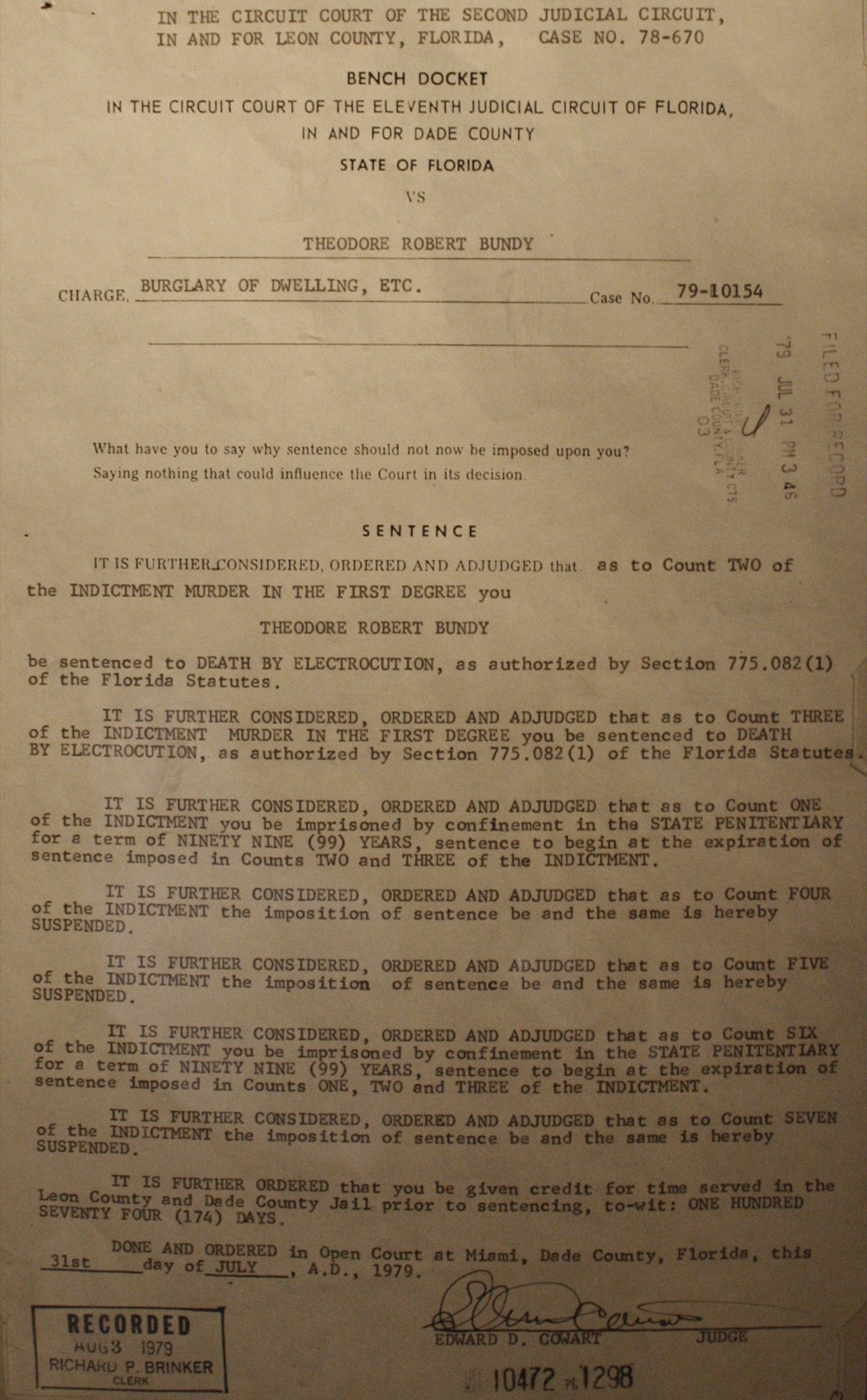
Bundy was first imprisoned for DaRonch’s kidnapping. In Florida he was convicted of murdering Margaret Bowman and Lisa Levy and attempting to murder three survivors, then separately convicted of murdering Kimberly Leach. He received death sentences and was executed in Florida on January 24, 1989.
Victims and community context
Bundy’s notoriety should not obscure the women and girls whose lives were taken or permanently changed. They were students, daughters, friends, and community members; survivors such as Carol DaRonch and those attacked in Tallahassee also supplied evidence that helped stop him. Counts should distinguish court-proven murders from Bundy’s later admissions and unresolved attributions.
Why this case matters
The case reshaped interstate information sharing and warns against equating charm or social status with harmlessness.