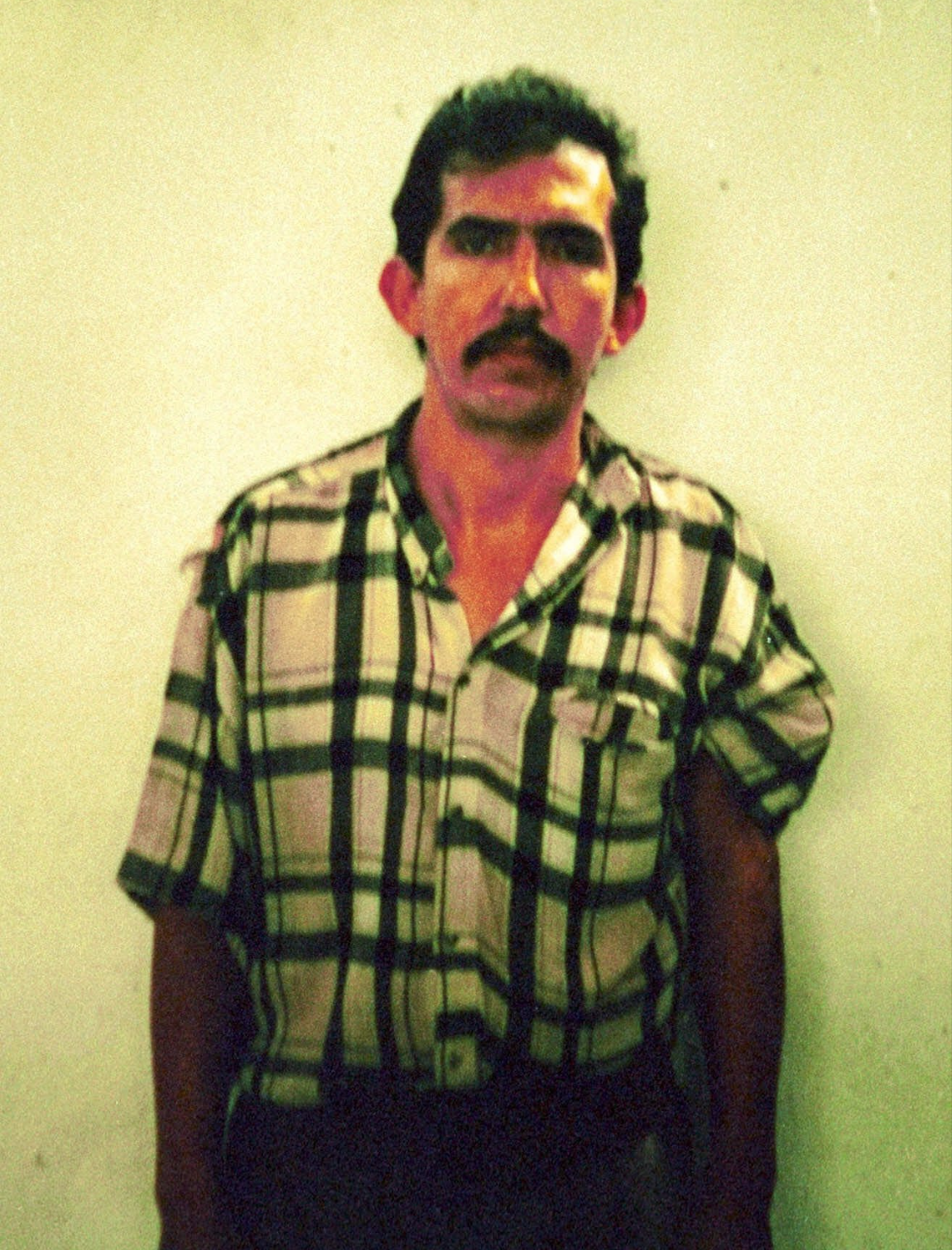
Case overview
Garavito targeted vulnerable boys across Colombia, often posing as a helpful stranger. Investigators connected crime scenes across many jurisdictions.
He confessed to numerous killings and was convicted of murdering 189 children. Sentencing rules limited the effective prison term.
Investigation and evidence
Investigators linked disappearances and recovered remains across departmental boundaries, then compared witness accounts, documents, possessions, and burial-site information. After his arrest under circumstances initially unrelated to the full series, Garavito gave extensive confessions and maps that allowed authorities to locate additional victims. His cooperation expanded the case but also complicated later public claims by mixing corroborated cases with admissions that could not all be independently proved.
Legal outcome
Garavito was convicted in numerous proceedings for the murders of children. Although accumulated sentences exceeded 1,800 years, Colombian law capped the effective term, and cooperation produced reductions under the law then in force. He remained imprisoned until his death in October 2023.
Victims and community context
The victims were overwhelmingly boys and adolescents, many from low-income families or living and working in public spaces. Their social vulnerability, frequent movement, and fragmented recordkeeping across regions delayed recognition of the pattern. Reporting should acknowledge family efforts and the institutional challenge of identifying and returning remains.
Why this case matters
The investigation exposed how poverty, displacement, and fragmented records can leave children especially vulnerable.