Case overview
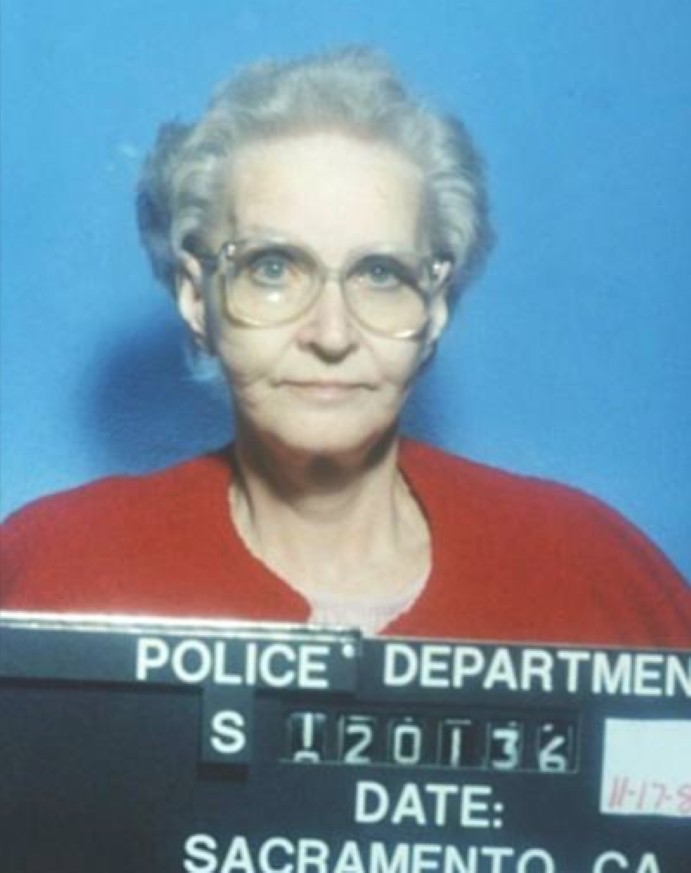
A Sacramento boarding-house operator convicted of murdering vulnerable tenants while taking control of their benefit payments. The case exposed how isolation, disability, and poverty can make missing adults easier for institutions to overlook.
Montoya’s social worker, Judy Moise, pressed police to revisit his unexplained disappearance. Officers initially treated the visit as a welfare inquiry, then excavated the yard after disturbed soil and odors drew attention. Identification, toxicology, financial records, forged signatures, and benefit checks formed the prosecution’s case. Investigators also linked Puente to two deaths away from the boarding house, but the jury convicted on three of nine charged murders.
Investigation and evidence
Montoya’s social worker, Judy Moise, pressed police to revisit his unexplained disappearance. Officers initially treated the visit as a welfare inquiry, then excavated the yard after disturbed soil and odors drew attention. Identification, toxicology, financial records, forged signatures, and benefit checks formed the prosecution’s case. Investigators also linked Puente to two deaths away from the boarding house, but the jury convicted on three of nine charged murders.
Legal outcome
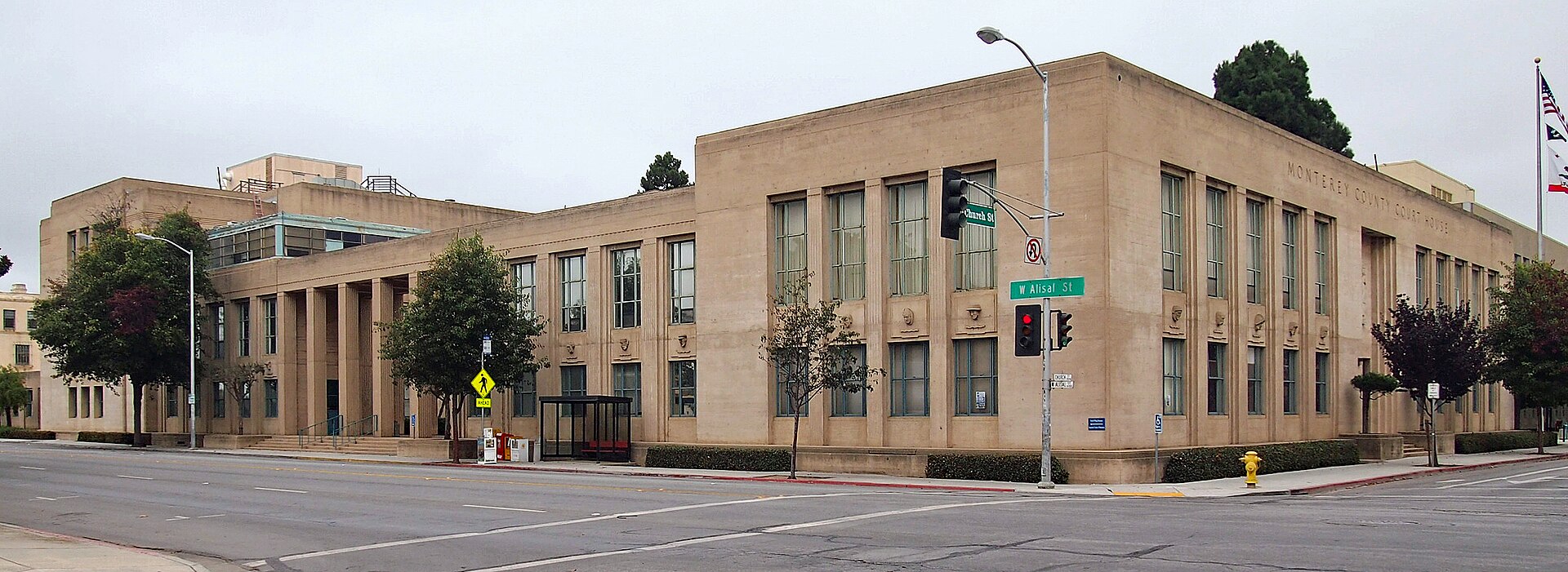
Puente’s first trial was moved to Monterey County. In 1993, jurors convicted her of murdering Leona Carpenter, Dorothy Miller, and Benjamin Fink and deadlocked on six other counts. She received two life-without-parole terms and a concurrent 15-years-to-life term. A federal court later denied habeas relief.
Victims and community context
The boarding-house residents were older, disabled, socially isolated, or recovering from addiction and depended on public benefits. Their vulnerability was not a character flaw; it was a condition Puente exploited and one that delayed scrutiny when people disappeared. The record should name convicted victims while clearly separating the six unresolved charged deaths.
Why this case matters
The boarding-house residents were older, disabled, socially isolated, or recovering from addiction and depended on public benefits. Their vulnerability was not a character flaw; it was a condition Puente exploited and one that delayed scrutiny when people disappeared. The record should name convicted victims while clearly separating the six unresolved charged deaths.