Case overview
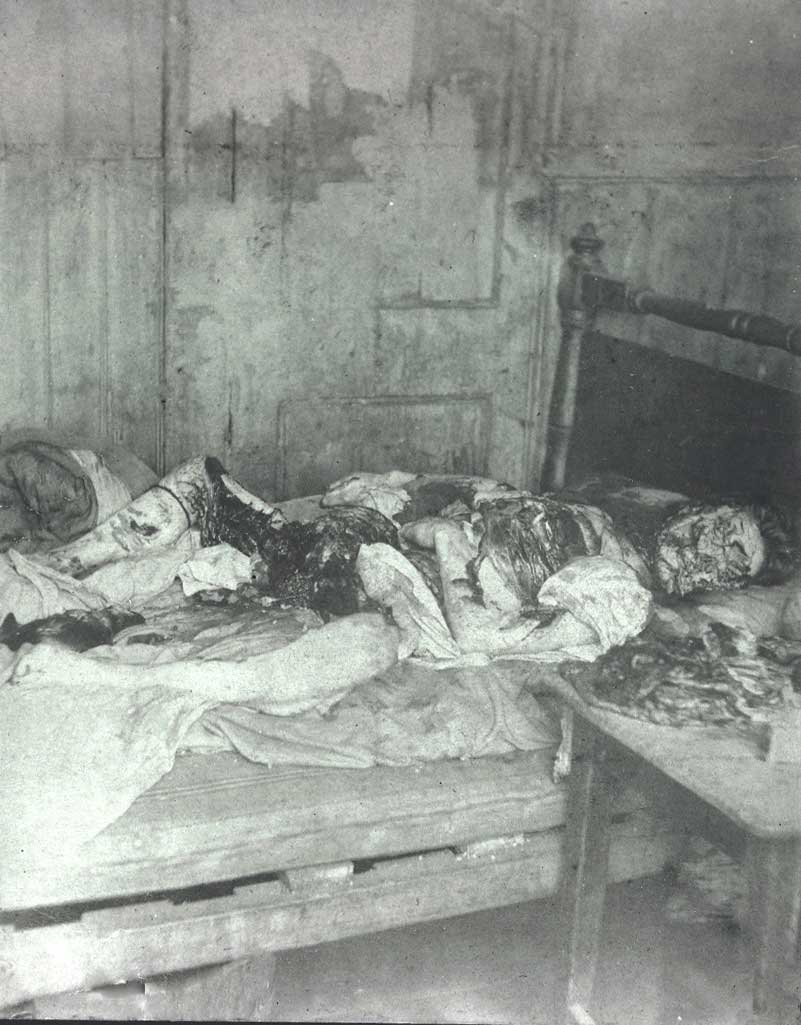
The name is associated with murders in and around Whitechapel in 1888. Historians commonly discuss five canonical victims, although attribution remains disputed.
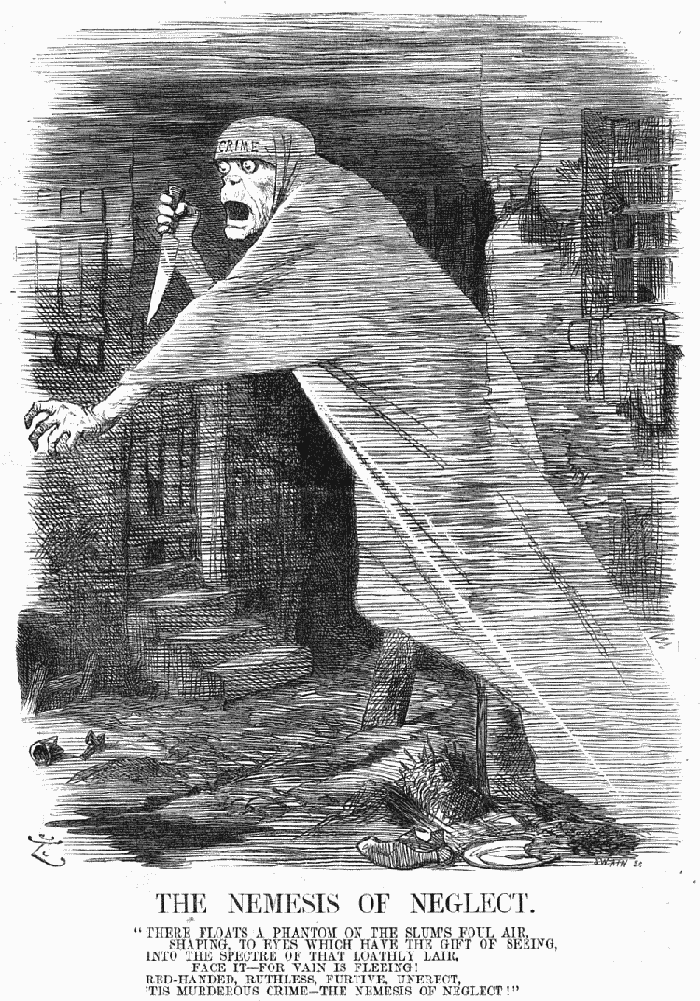
The investigation unfolded amid poverty, sensational press coverage, and limited forensic methods. No suspect was conclusively identified.
Investigation and evidence
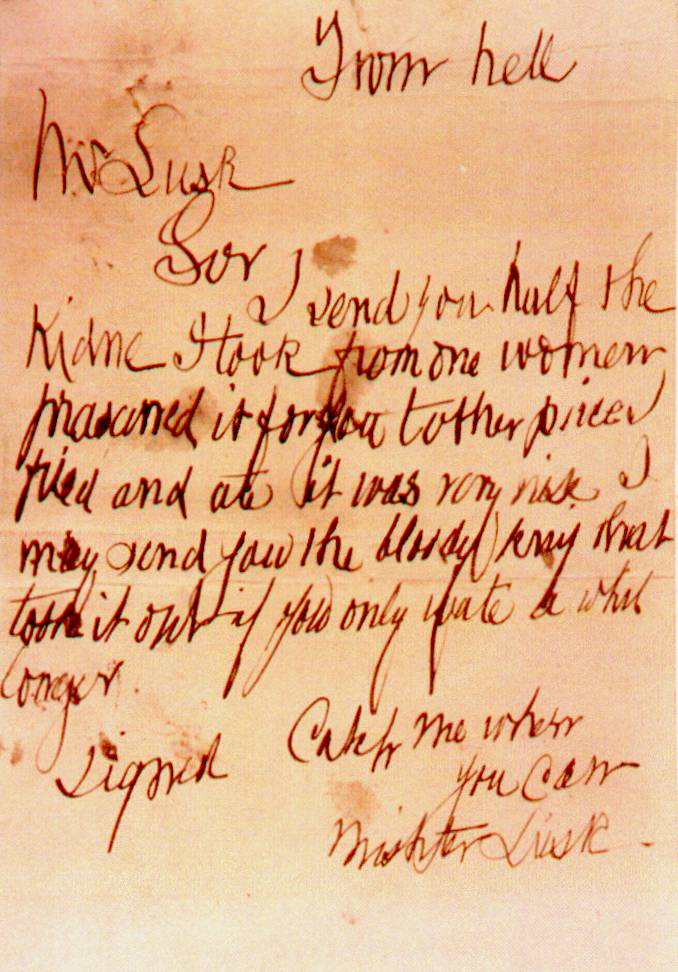
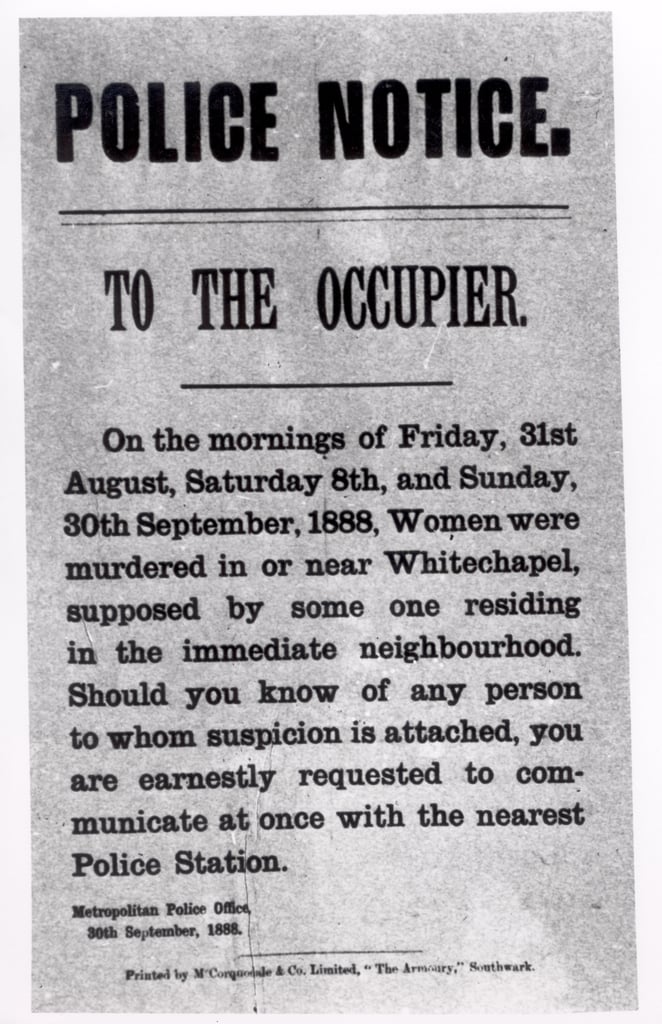
Metropolitan Police and City of London Police conducted house-to-house inquiries, interviewed witnesses, examined suspects, used plainclothes patrols, and sought coordination across jurisdictions. The investigation occurred before fingerprinting, modern scene preservation, DNA analysis, or integrated records. Surviving Home Office and Metropolitan Police files show both substantial effort and the practical limits of Victorian policing.
Legal outcome
No person was prosecuted for the canonical murders. The case therefore has no lawful finding identifying a perpetrator, and modern suspect theories cannot be described as solved cases.
Victims and community context
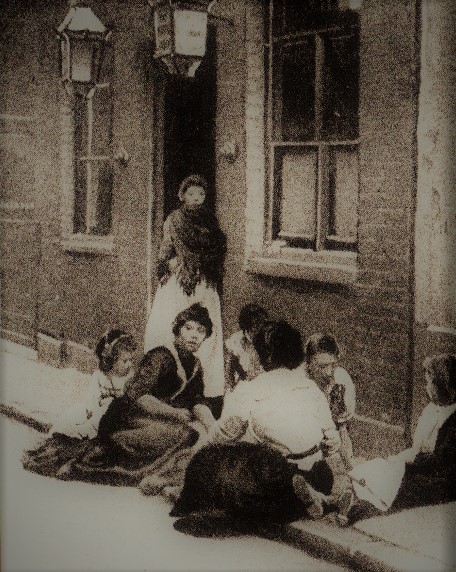
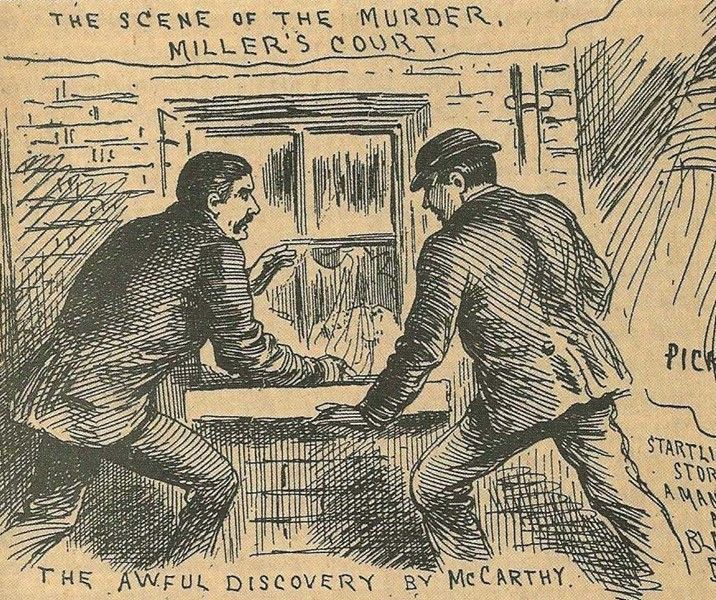
The canonical victims were Mary Ann Nichols, Annie Chapman, Elizabeth Stride, Catherine Eddowes, and Mary Jane Kelly. Their lives were shaped by poverty, insecure housing, and Victorian institutions. Historians increasingly challenge the habitual reduction of all five women to a single occupation; surviving evidence about how each earned money is uneven.
Why this case matters
The enduring mystery often eclipses the lives of the women killed; responsible history restores their identities and context.