Case overview
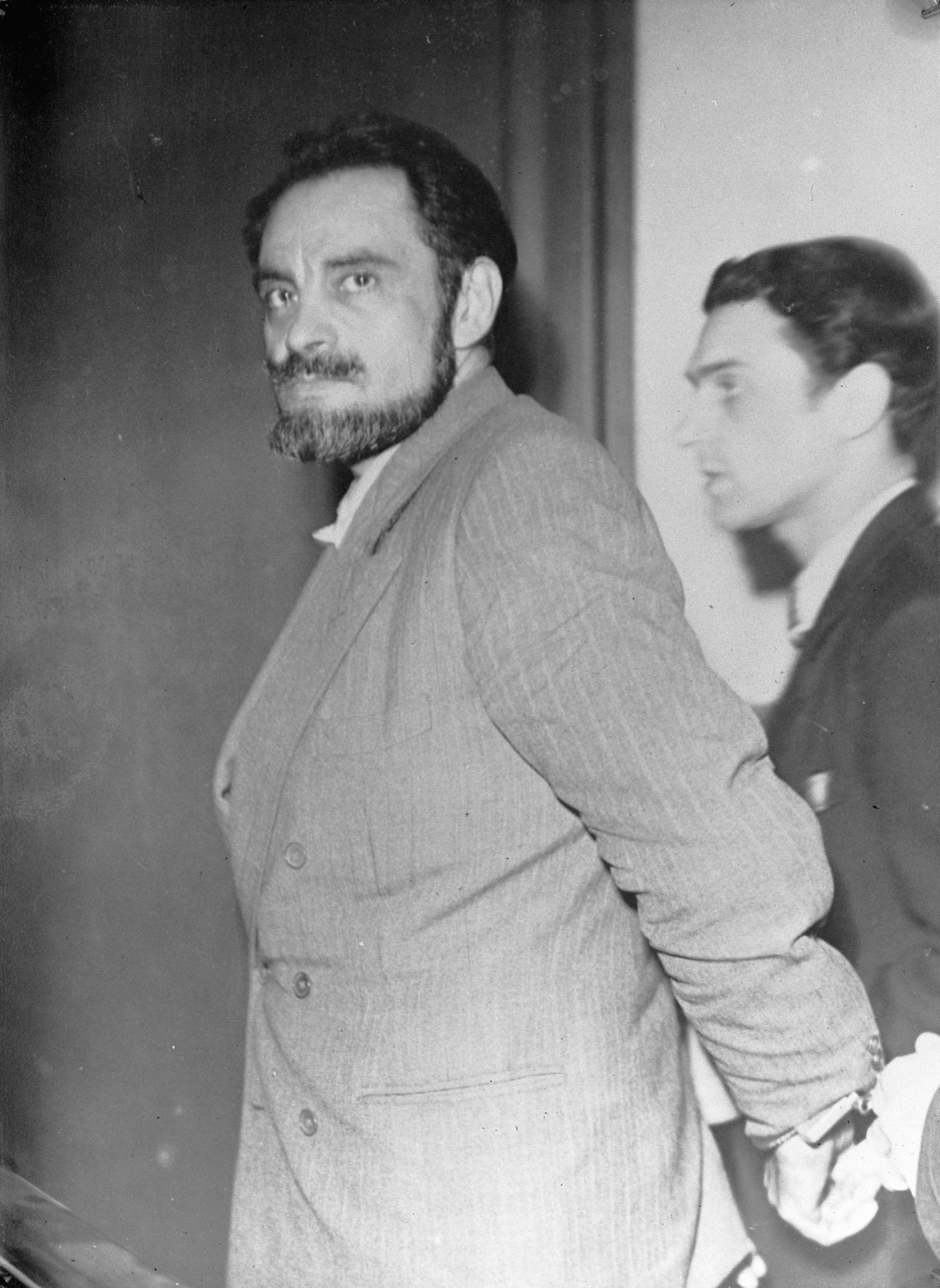
A Paris physician who offered clandestine escape from German-occupied France, then killed people seeking safety and stole their property. His crimes exploited persecution, wartime secrecy, and victims’ need to disappear without official records.
The discovery at rue Le Sueur initiated a forensic and missing-person inquiry under extraordinary wartime conditions. Police traced luggage, correspondence, valuables, and people last seen entering Petiot’s purported escape network. Because many victims were hiding from occupation authorities, documentary trails were intentionally sparse. Petiot’s later resistance claim was tested against recognized networks and rejected at trial.
Investigation and evidence
The discovery at rue Le Sueur initiated a forensic and missing-person inquiry under extraordinary wartime conditions. Police traced luggage, correspondence, valuables, and people last seen entering Petiot’s purported escape network. Because many victims were hiding from occupation authorities, documentary trails were intentionally sparse. Petiot’s later resistance claim was tested against recognized networks and rejected at trial.
Legal outcome
The Seine assize court convicted Petiot of 26 murders for profit on April 4, 1946 and sentenced him to death. He was executed by guillotine on May 25. The prosecution treated the murders as ordinary crimes committed in wartime rather than acts of resistance.
Victims and community context
Many victims were Jewish families trying to escape Nazi persecution; others were resistance members or people endangered by the occupation. They entrusted money, possessions, and secrecy to a man promising passage abroad. Their forced invisibility made both the crimes and later identification more difficult.
Why this case matters
Many victims were Jewish families trying to escape Nazi persecution; others were resistance members or people endangered by the occupation. They entrusted money, possessions, and secrecy to a man promising passage abroad. Their forced invisibility made both the crimes and later identification more difficult.