Case overview
A Houston-area offender whose killings of teenage boys and young men became known only after an accomplice killed him and contacted police. Later identification work has revised the known-victim count.
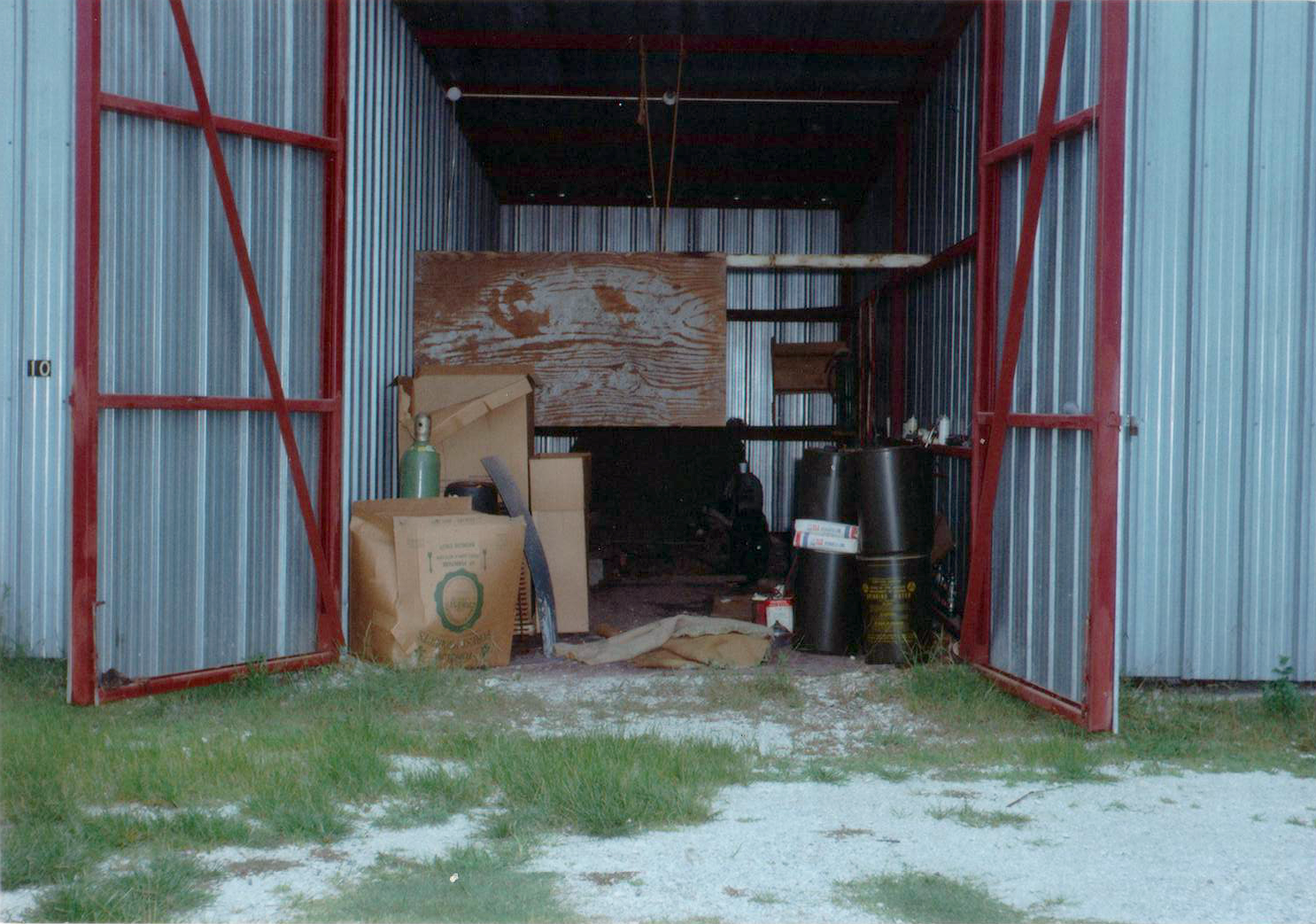
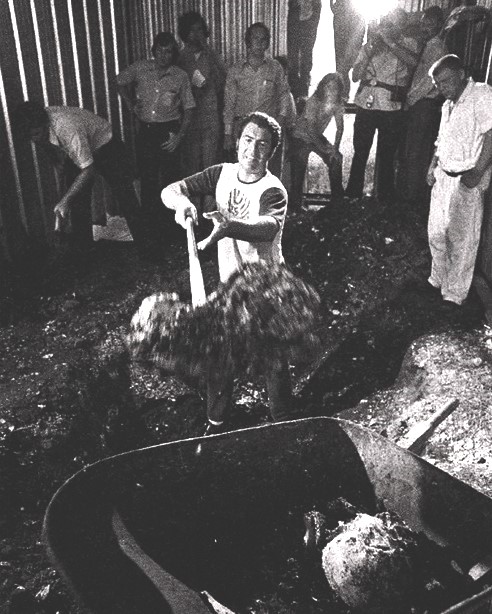
Henley’s call and confession transformed what police first understood as one death into a multi-site recovery operation. He and Brooks directed officers to graves. Dental and medical comparison identified most victims at the time; newer DNA and genealogical work resolved additional identities decades later. Their trials produced detailed appellate records of the conspiracy and evidence.
Investigation and evidence
Henley’s call and confession transformed what police first understood as one death into a multi-site recovery operation. He and Brooks directed officers to graves. Dental and medical comparison identified most victims at the time; newer DNA and genealogical work resolved additional identities decades later. Their trials produced detailed appellate records of the conspiracy and evidence.
Legal outcome
Corll died before arrest and was never tried. Henley was convicted in six murders and Brooks in one, with evidence of their participation in many more; both received life terms under the law then in effect. Henley remains imprisoned, while Brooks died in custody in 2020.
Victims and community context
The victims were boys and young men, many from the same working-class Houston neighborhoods. Families’ reports were too often discounted as routine runaway cases. Identification work and the surviving families’ long search for answers deserve more emphasis than the label attached to Corll.
Why this case matters
The victims were boys and young men, many from the same working-class Houston neighborhoods. Families’ reports were too often discounted as routine runaway cases. Identification work and the surviving families’ long search for answers deserve more emphasis than the label attached to Corll.