
Case overview
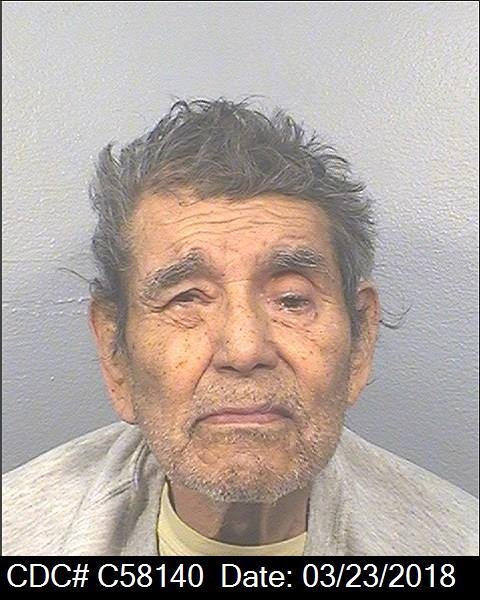
A farm-labor contractor twice convicted of murdering 25 migrant workers found in orchards near Yuba City, California. The victims’ precarious employment and mobility contributed to weak identification and missing-person records.
Sheriff’s deputies expanded excavation after the first grave and documented common burial features across two orchards. Search warrants produced labor records, a ledger with names, weapons, clothing, and deposit slips bearing Corona’s identifying information in or near graves. Appellate litigation closely examined the warrants, publicity, and the failures of his first defense counsel.
Investigation and evidence
Sheriff’s deputies expanded excavation after the first grave and documented common burial features across two orchards. Search warrants produced labor records, a ledger with names, weapons, clothing, and deposit slips bearing Corona’s identifying information in or near graves. Appellate litigation closely examined the warrants, publicity, and the failures of his first defense counsel.
Legal outcome
Corona’s 1973 convictions were reversed because his counsel was ineffective and burdened by conflicts. After a change of venue, a second jury convicted him in 1982 of 25 first-degree murders. He served 25 concurrent life sentences and was repeatedly denied parole.
Victims and community context
The murdered men were migrant or transient agricultural workers, often separated from family and moving between short-term jobs. Several remained unidentified or poorly documented for years. Their labor status should be central to explaining why disappearances did not immediately produce a connected investigation.
Why this case matters
The murdered men were migrant or transient agricultural workers, often separated from family and moving between short-term jobs. Several remained unidentified or poorly documented for years. Their labor status should be central to explaining why disappearances did not immediately produce a connected investigation.