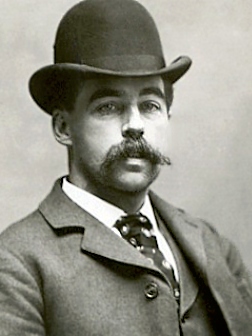
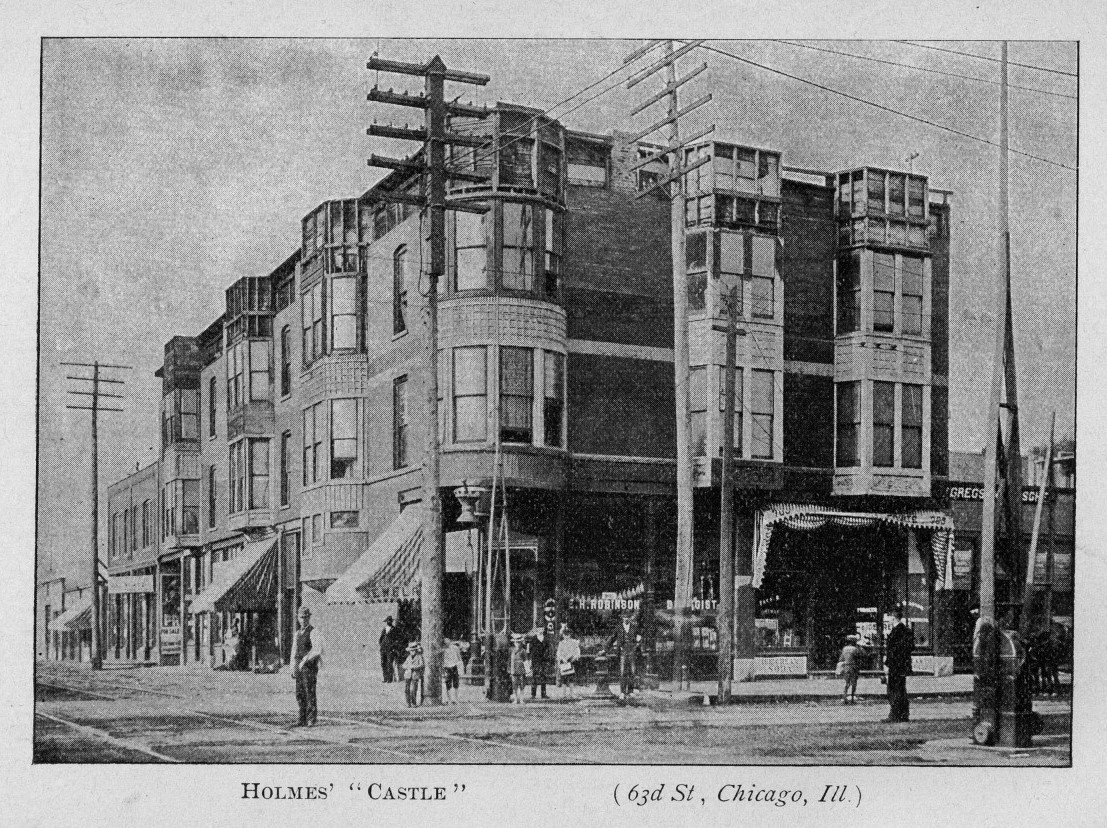
Case overview
Holmes committed fraud and murder in the 1890s and was convicted for killing Benjamin Pitezel. Several other claimed killings were false or impossible.
Accounts of a vast Chicago murder castle grew through yellow journalism and later retellings; historians caution that the scale is frequently overstated.
Investigation and evidence
The clearest case grew from an insurance-fraud scheme in which Holmes arranged to collect on Benjamin Pitezel’s policy. Detective Frank Geyer traced the movements of Pitezel’s missing children through several cities, uncovering evidence that transformed a fraud inquiry into a murder prosecution. Holmes’s financial records, aliases, travel, correspondence, and physical evidence carried more weight than later stories about architectural traps.
Legal outcome
Holmes was tried and convicted in Philadelphia for Benjamin Pitezel’s murder and sentenced to death. Authorities also connected him persuasively to the deaths of three Pitezel children and several women, but the popular claim that courts proved dozens or hundreds of “Castle” murders is false.
Victims and community context
Benjamin Pitezel was Holmes’s business associate, and three of Pitezel’s children—Alice, Nellie, and Howard—were killed after Holmes separated them from their mother. Other strongly associated victims had business, employment, or intimate ties to Holmes. Their relationships and vulnerability to fraud explain the case better than the anonymous-fairgoer legend.
Why this case matters
His file is a case study in how repetition can turn disputed claims into accepted true-crime mythology.