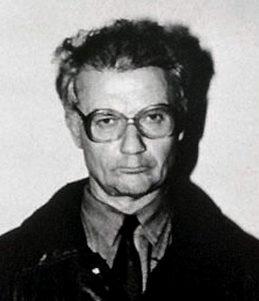
Case overview
Chikatilo murdered women and children across the Russian SFSR and neighboring areas amid geographic scope, forensic limitations, and institutional secrecy.
He was arrested in 1990, convicted of 52 murders, and executed in 1994.
Investigation and evidence
The case exposed serious investigative failures: agencies were slow to acknowledge a repeat offender, coerced confessions drew attention toward innocent suspects, and investigators relied on a mistaken belief that semen and blood types had to correspond. Later work coordinated cases across regions, used patrols at railway and bus stations, and involved psychiatrist Aleksandr Bukhanovsky in interviews after Chikatilo's arrest. The evidence ultimately combined confessions, site knowledge, witness observations, and physical and circumstantial links.
Legal outcome
The Rostov Regional Court convicted Chikatilo in October 1992 of 52 murders and sentenced him to death. Russia's Supreme Court subsequently found the evidentiary basis insufficient in nine counts, while the remaining convictions and sentence stood. He was executed in February 1994.
Victims and community context
The known victims were children, adolescents, and women encountered around public transportation and other everyday spaces. The record also includes institutional victims: innocent people were detained or pressured, and Aleksandr Kravchenko was executed for the 1978 killing later attributed to Chikatilo. Responsible coverage should not repeat lurid Soviet-era nicknames as if they explain the victims or the investigative failures.
Why this case matters
The case is studied for the difficulty of coordinating a wide investigation constrained by secrecy and faulty forensic assumptions.