Case overview
Police found DNA and personal items connecting numerous missing women to Pickton’s Port Coquitlam farm.
He was convicted in 2007 of six counts of second-degree murder. Additional charges were stayed, and the broader case involved many missing women.
Investigation and evidence
The farm search became one of Canada's largest crime-scene operations and produced human remains, DNA, possessions, and other trace evidence associated with numerous missing women. Pickton was charged with 26 murders; the trial proceeded first on six counts to keep the case manageable. The Missing Women Commission later found that failures in report-taking, follow-up, information sharing, investigative strategy, cultural competence, and accountability allowed danger to persist.
Legal outcome
Pickton was convicted in 2007 of the second-degree murders of Sereena Abotsway, Mona Wilson, Andrea Joesbury, Brenda Wolfe, Georgina Papin, and Marnie Frey. The court imposed life imprisonment and the maximum 25-year period before parole eligibility. Canada's Supreme Court upheld the verdicts in 2010. The remaining 20 charges were stayed rather than tried. He died in federal custody in 2024.
Victims and community context
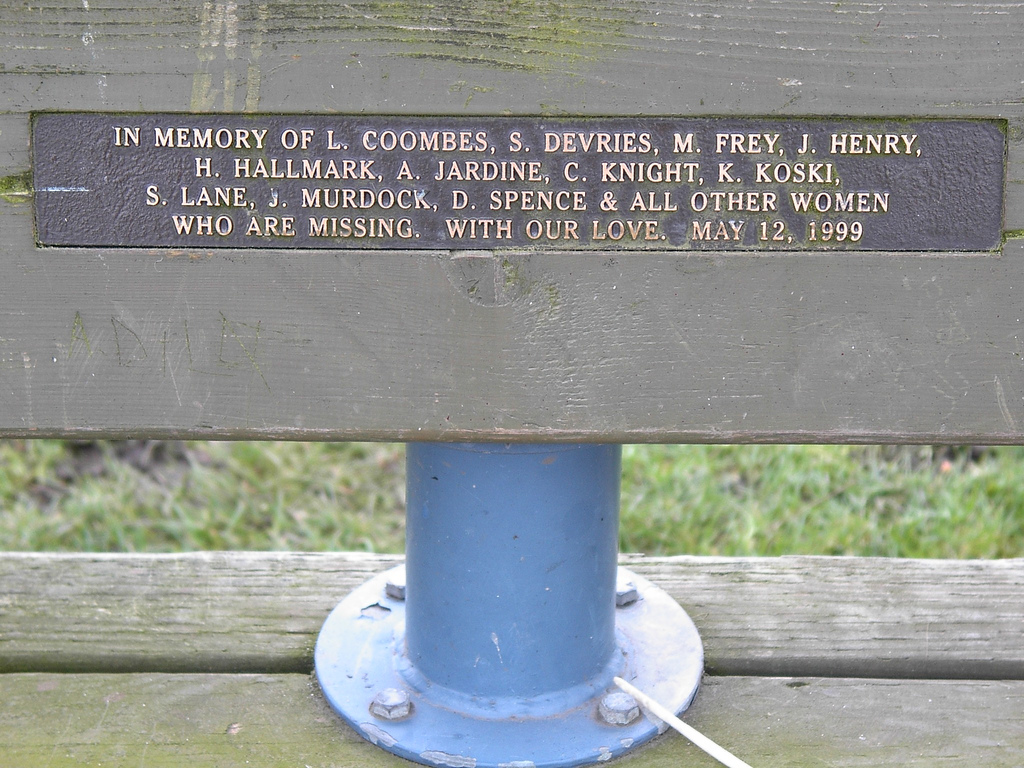
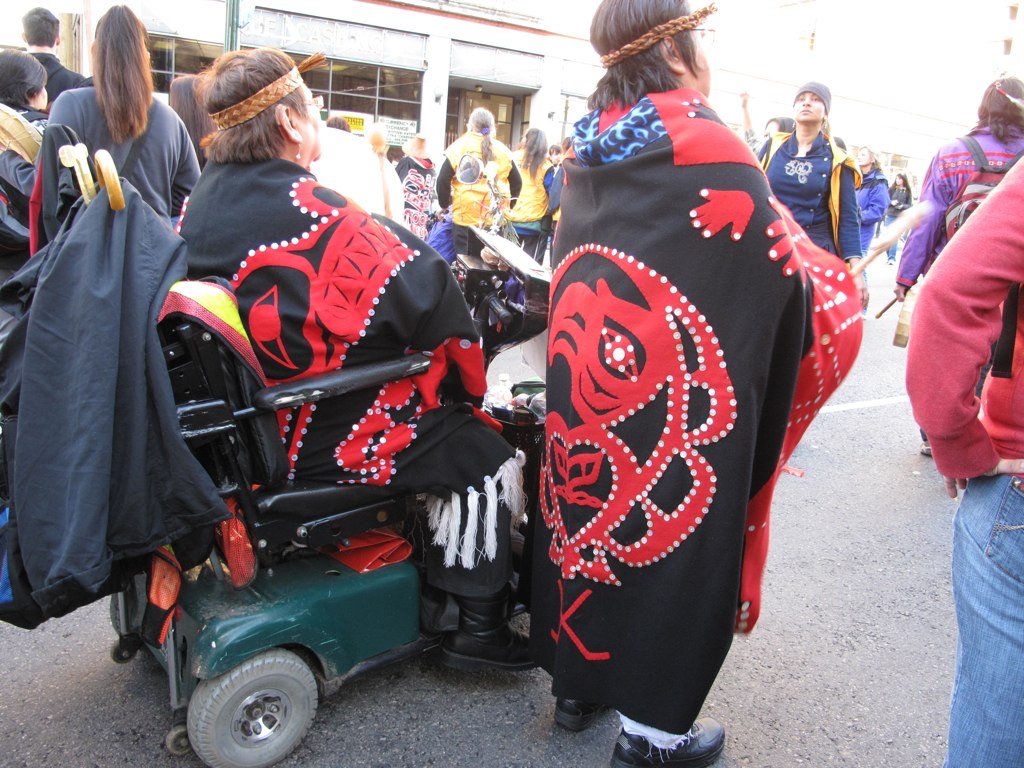
The women at the center of the case came largely from Vancouver's Downtown Eastside; many were Indigenous, engaged in survival sex work, living with poverty or addiction, or disconnected from conventional support systems. The public inquiry's title, Forsaken, captured its finding that systemic bias and institutional indifference contributed to police failures. Coverage should foreground the women, their families, and continuing community-led remembrance.
Why this case matters
Public inquiries centered failures to protect Indigenous women, sex workers, and other marginalized people.