Response and investigation
Local, state, and federal investigators documented the explicitly racist selection of the neighborhood and victims. The attorney general examined how fringe and mainstream platforms enabled radicalization, planning material, and rapid redistribution of the livestream.
Legal accountability
The perpetrator pleaded guilty in state court to murder, attempted murder, weapons offenses, and domestic terrorism motivated by hate and received life without parole. Federal hate-crime and firearms charges are separate; update the page as that prosecution changes.
Victims and community
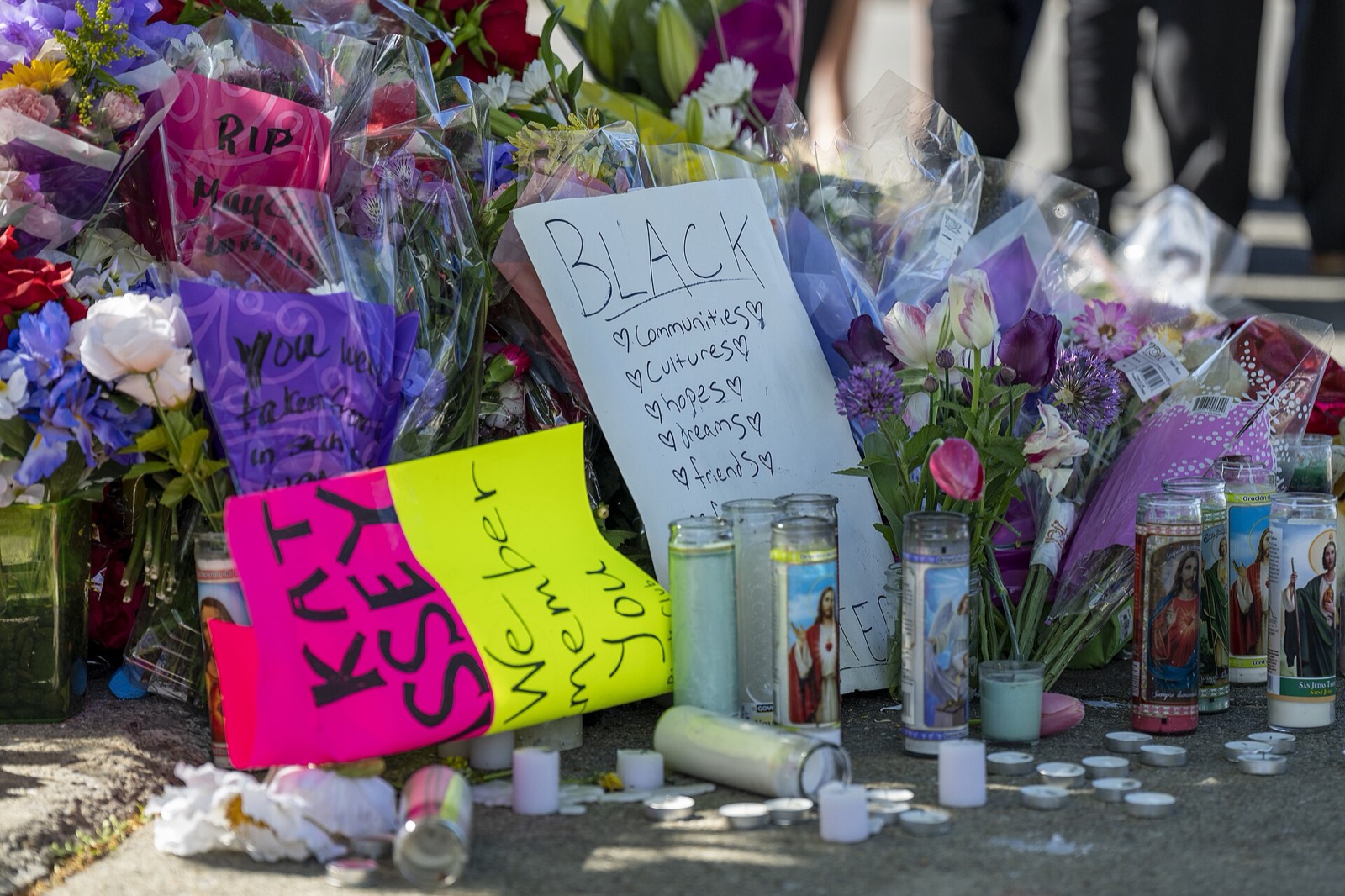
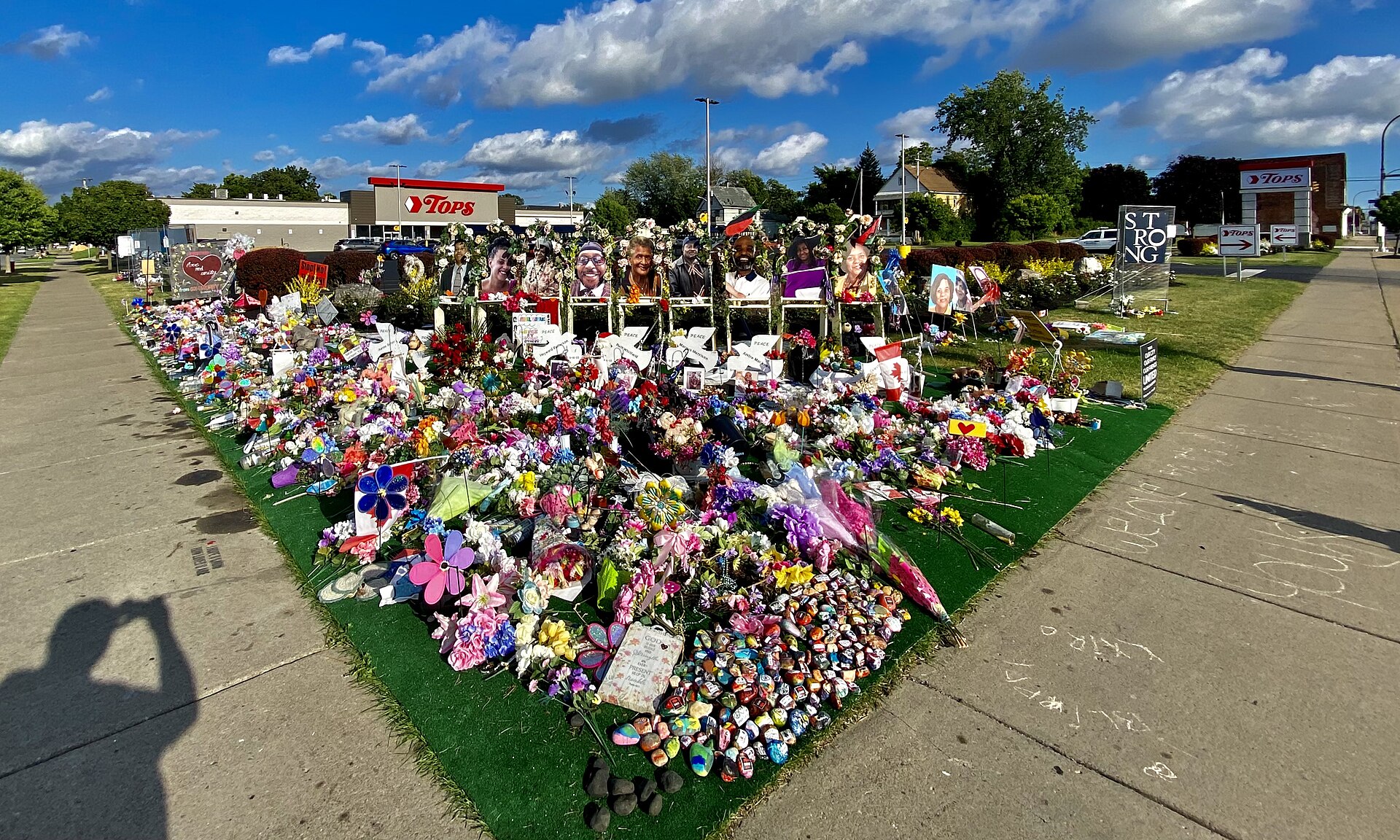
Roberta Drury, Margus Morrison, Andre Mackniel, Aaron Salter Jr., Geraldine Talley, Celestine Chaney, Heyward Patterson, Katherine Massey, Pearl Young, and Ruth Whitfield were killed. The store was a vital grocery and social hub in an underserved Black neighborhood.
Prevention and aftermath
New York strengthened firearm licensing, body-armor rules, threat monitoring, and social-platform scrutiny, though provisions have faced litigation. A 5/14 Memorial Commission is developing a permanent memorial, and local work also addresses food access and trauma care.