Response and investigation
El Paso police, FBI, and federal prosecutors used surrender statements, digital evidence, surveillance, witnesses, and firearms evidence. The federal plea established that the attacker selected El Paso and killed because of victims' actual or perceived Hispanic national origin.
Legal accountability
The defendant received 90 consecutive federal life sentences after guilty pleas to hate-crime and firearm offenses. In 2025 he also pleaded guilty to capital murder in state court and received life without parole, resolving the principal criminal cases without a death sentence.
Victims and community
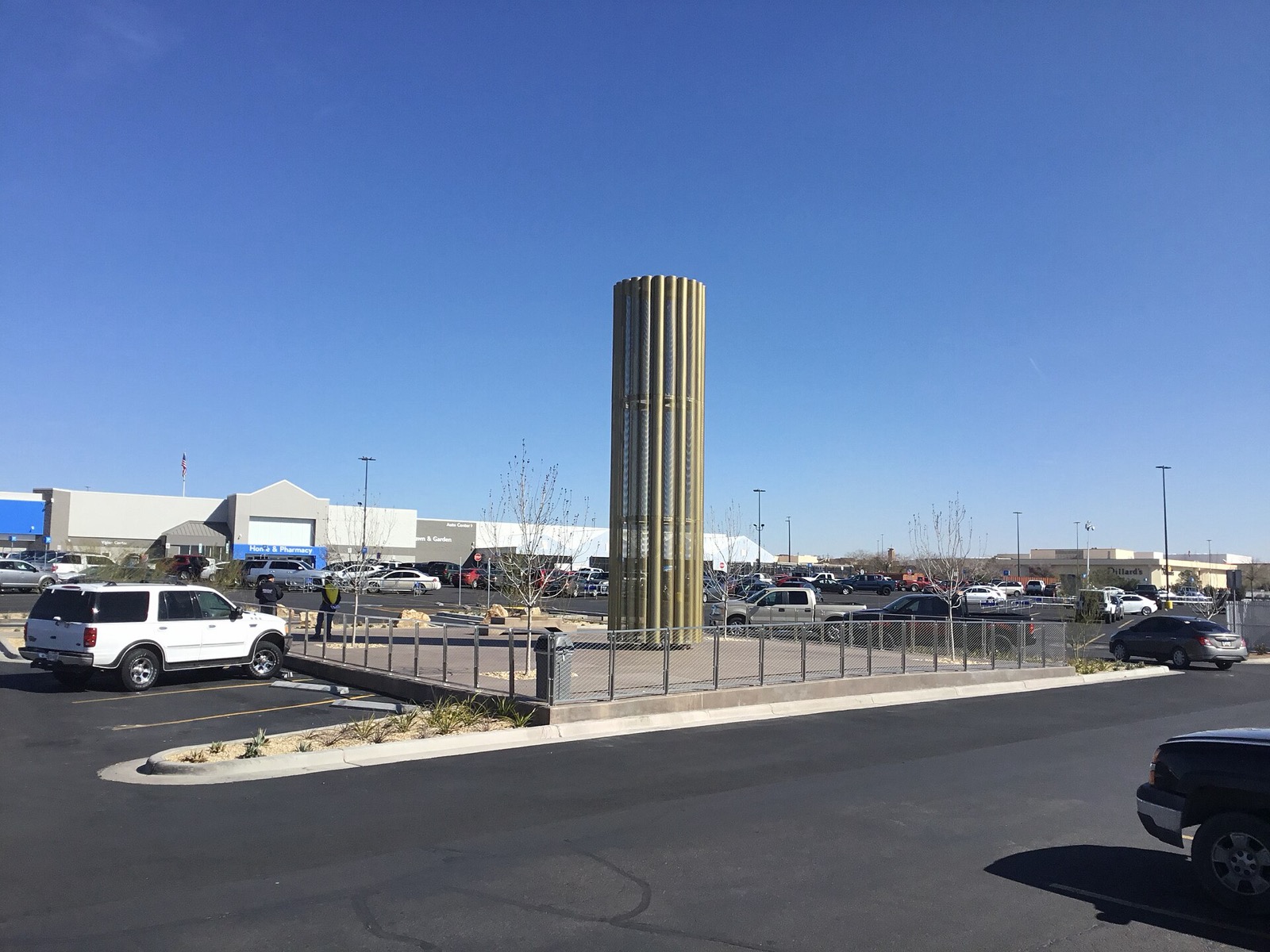
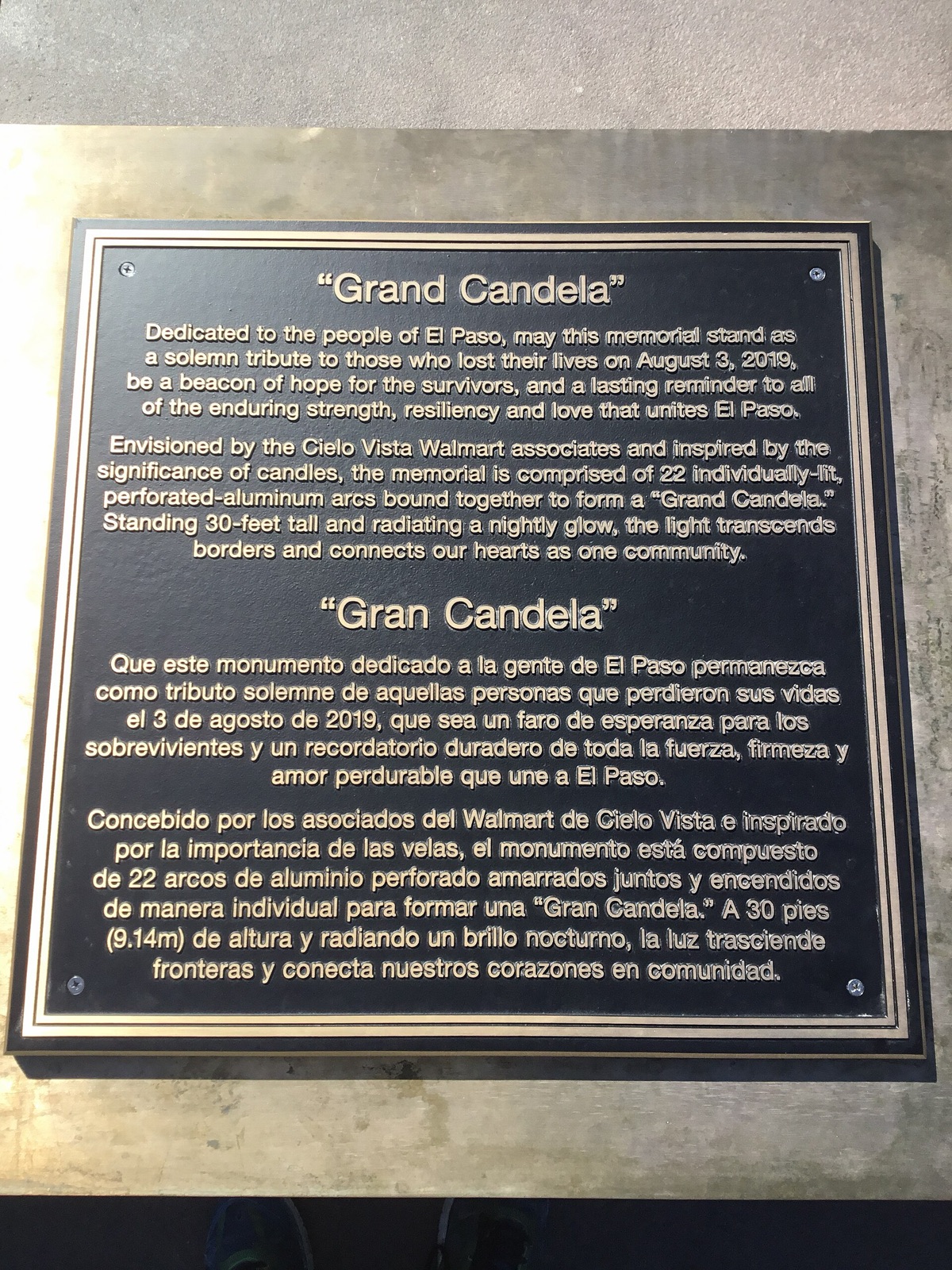
The 23 people killed ranged in age from 15 to 90 and included families and shoppers from El Paso, Ciudad Juárez, and elsewhere. The attack wounded a binational community and targeted Latino identity; remembrance includes the Grand Candela memorial and annual luminarias.
Prevention and aftermath
The case spurred binational victim services, hate-crime initiatives, local resilience programs, and renewed debate over domestic terrorism and firearm policy. El Paso's permanent memorial work emphasizes the victims and the region's cross-border identity.